
Dehydrated
/ Dry Skin
Dehydrated and dry skin are often mistaken as simply needing more moisturiser, but they're usually a sign of what's happening deeper within the skin. A compromised barrier, environmental stress, harsh or over-exfoliating products, hormonal changes and lifestyle factors can all affect the skin's ability to retain moisture.
Dehydration and dryness aren't the same thing, dehydrated skin lacks water, while dry skin lacks oil, though they often show up together as tightness, flaking, dullness and increased sensitivity.
Rather than just layering on hydration, we focus on improving skin function, strengthening the barrier, supporting natural moisture retention and calming any underlying sensitivity to achieve smoother, healthier-looking skin over time.

Hydrating Treatments Chosen By Us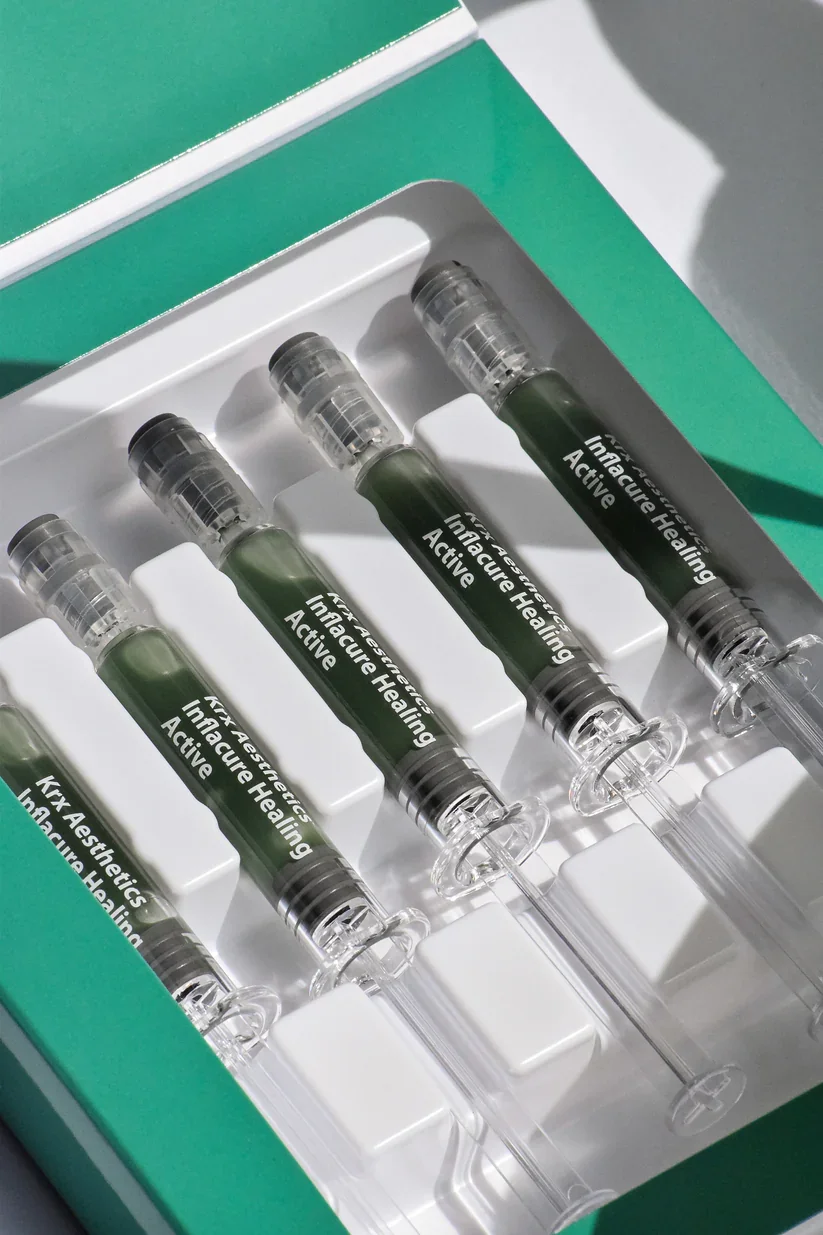
Inflacure Healing Infusion
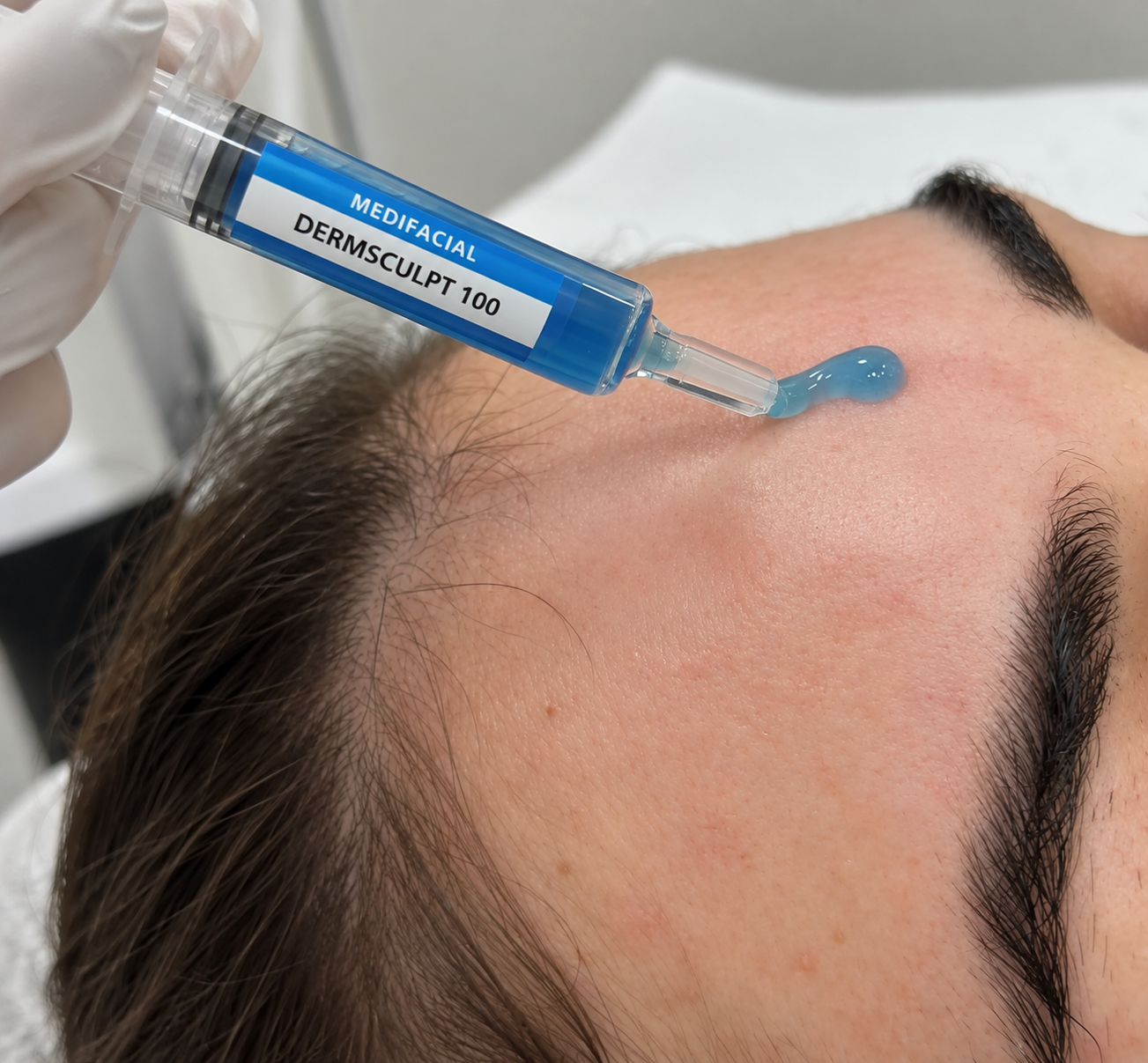
Bioneedling 100 GHK-Cu
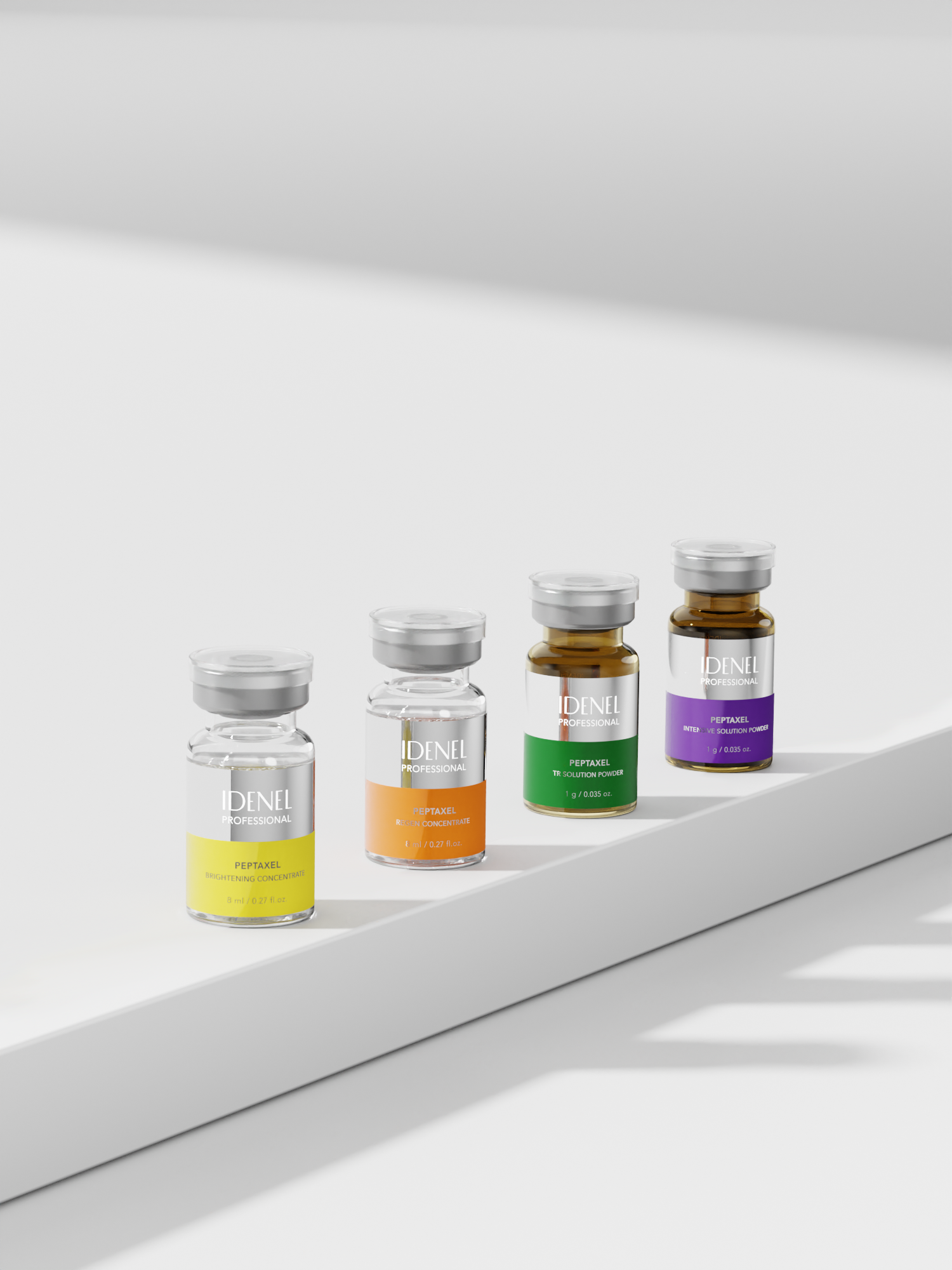
Glassifier Regenerative Protocol
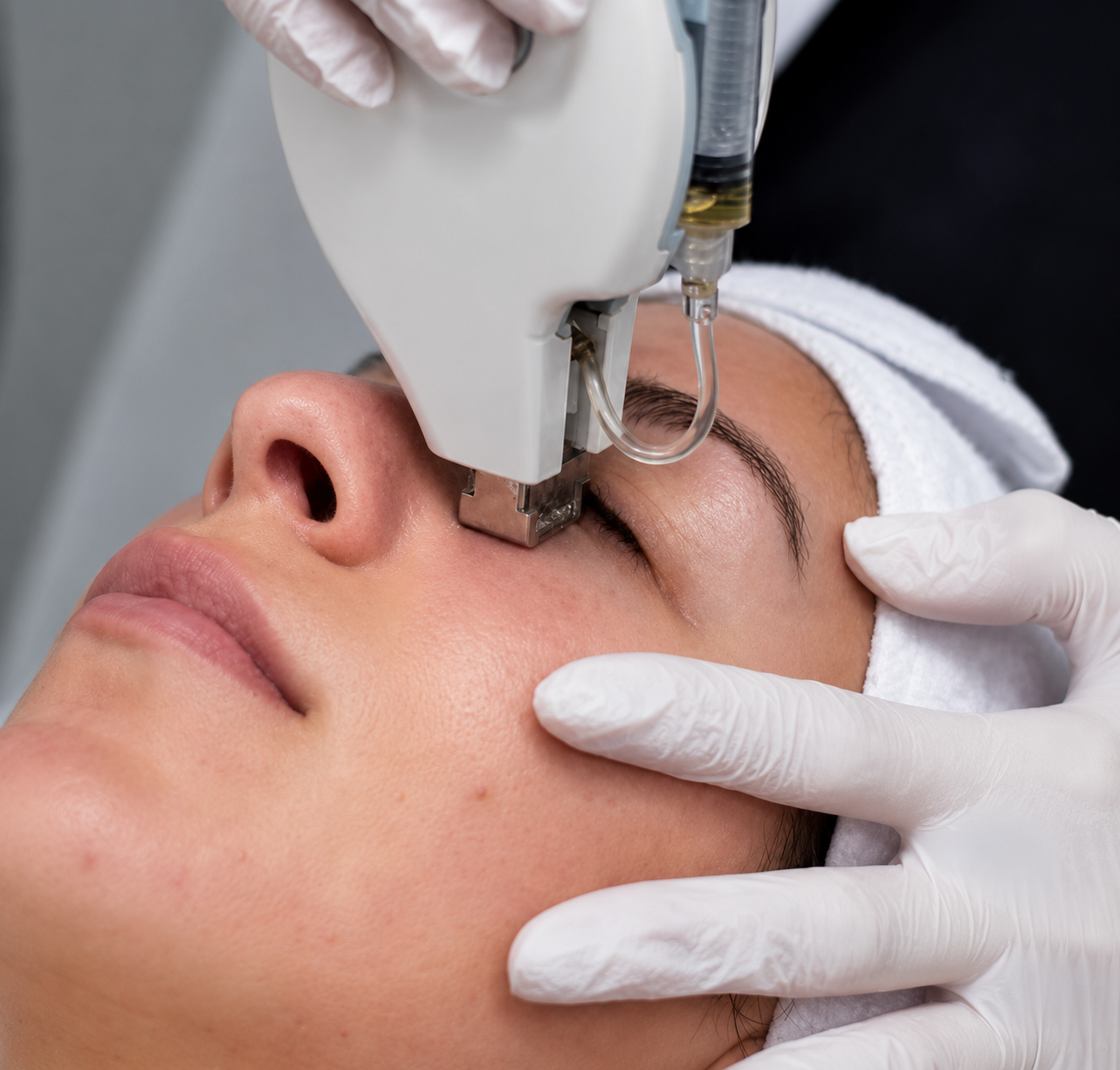
MesoBoost Hydration Infusion
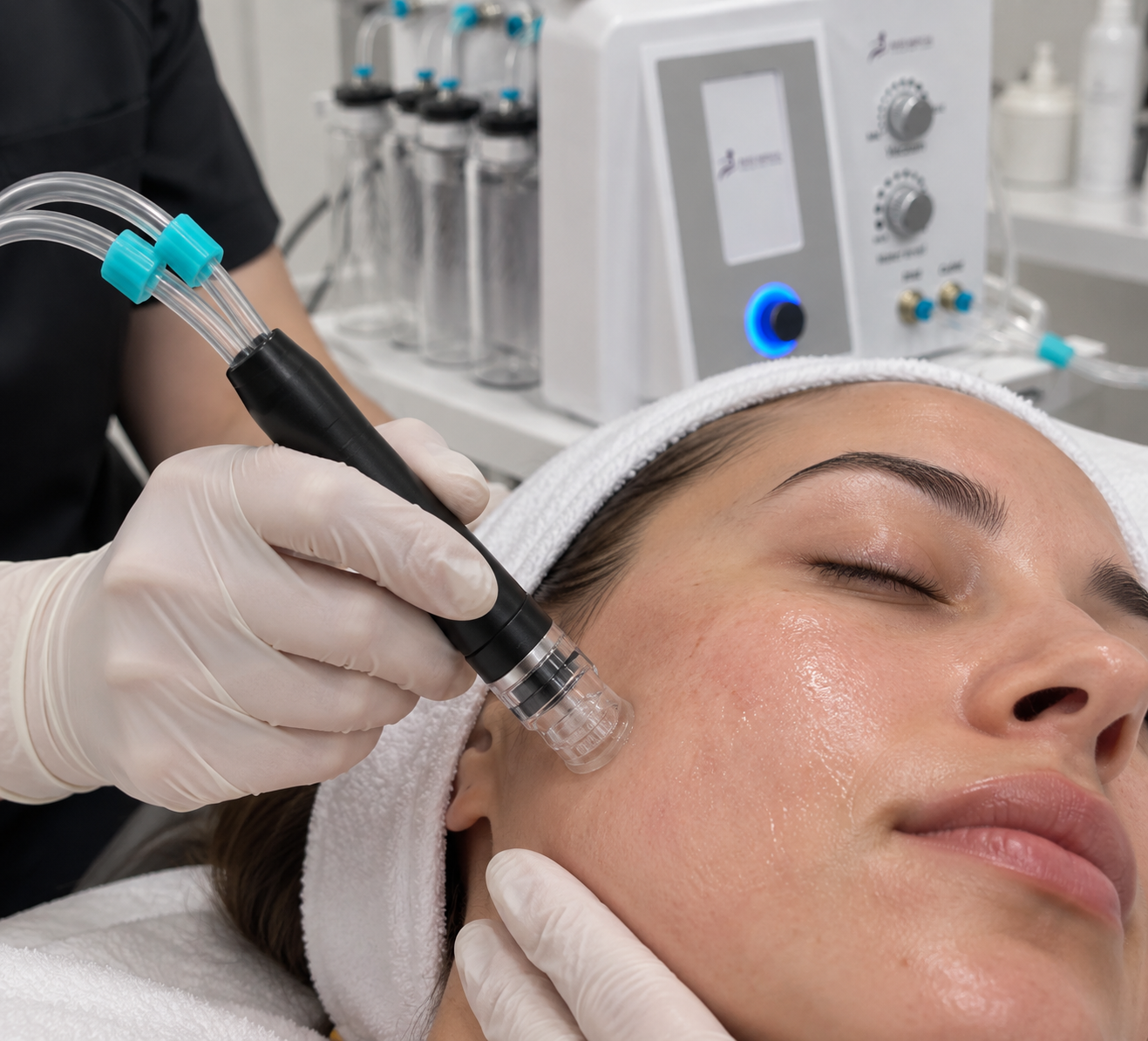
Hydro Infusion Therapy
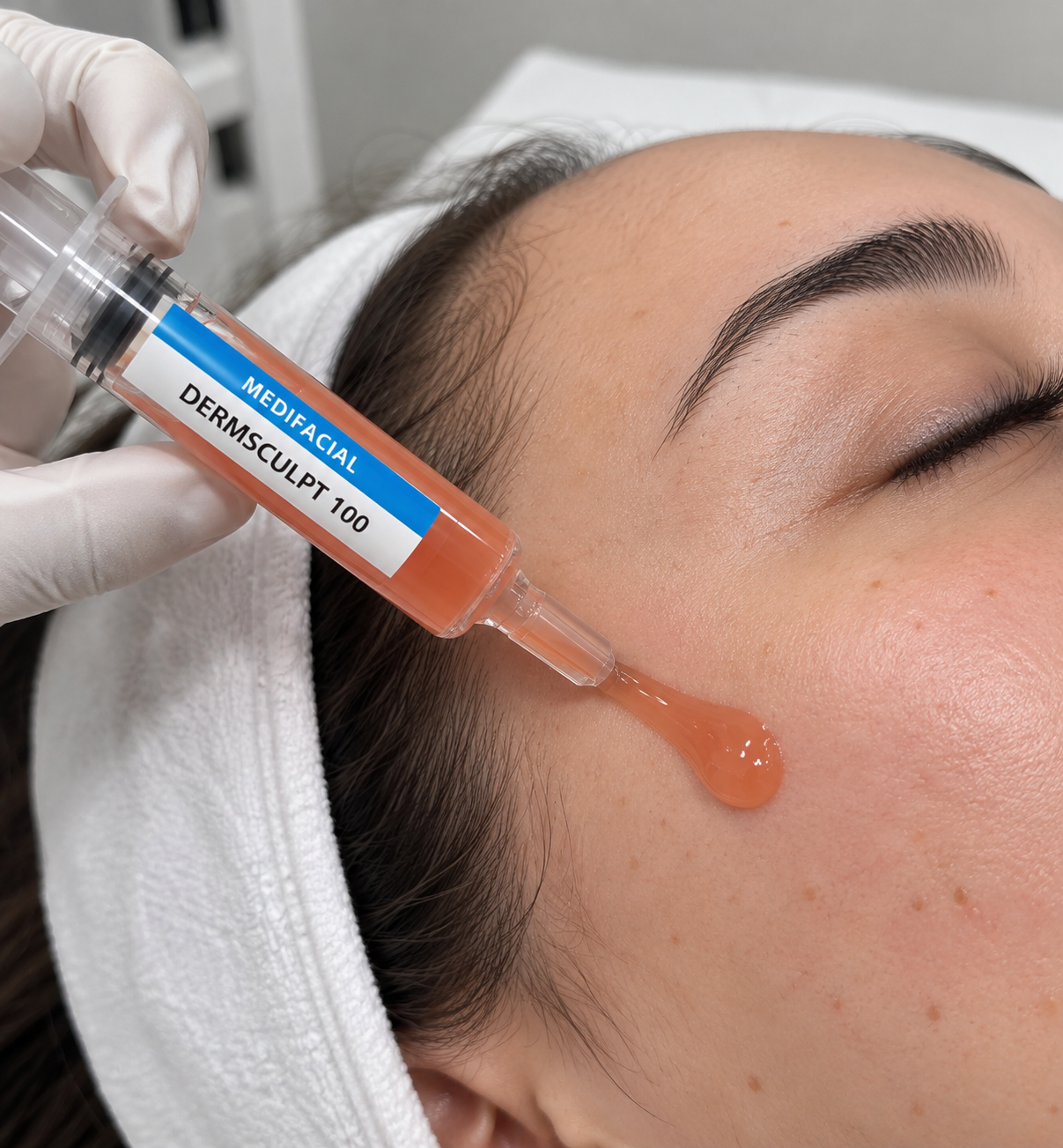
Bioneedling 100 PDRN
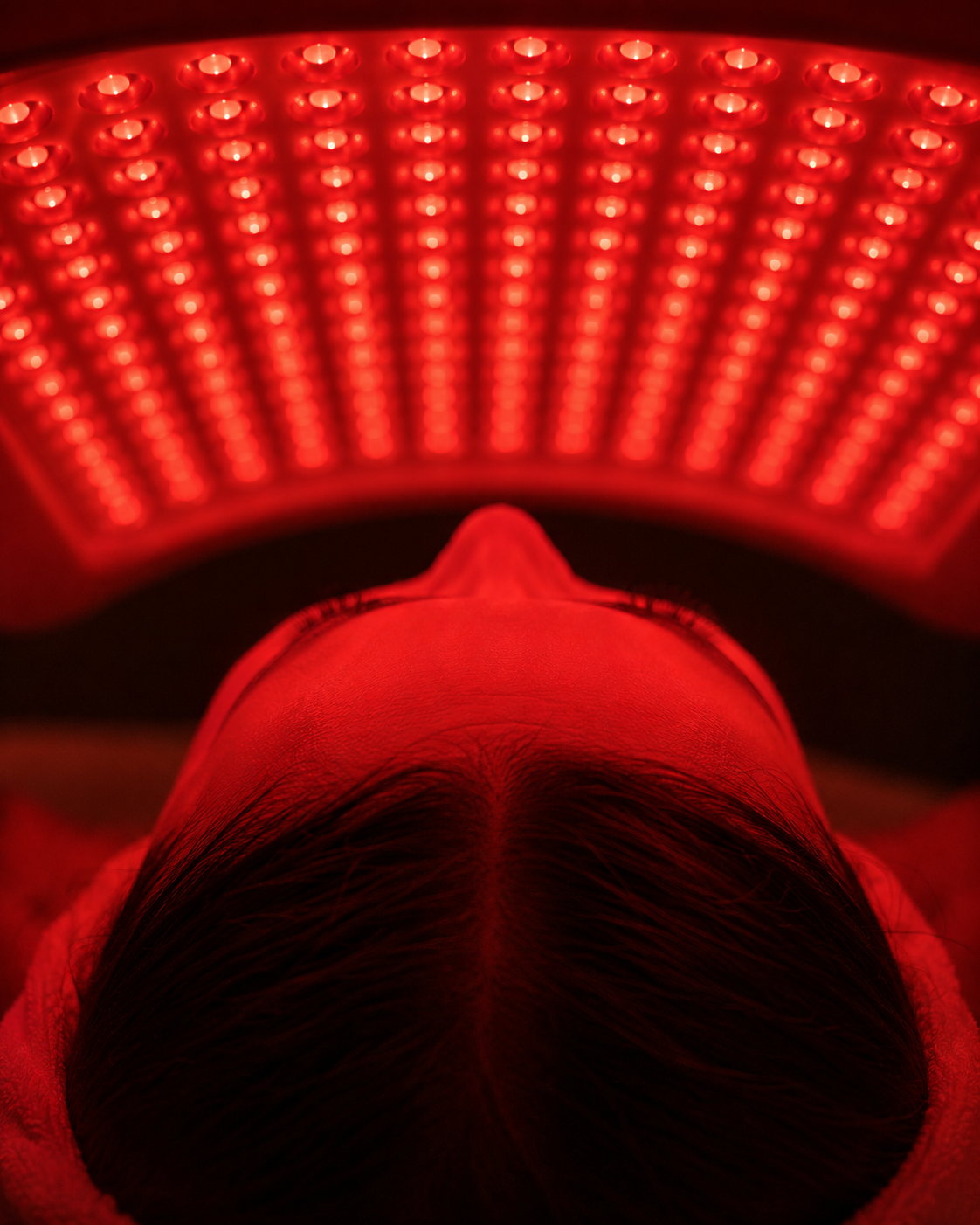
LED Therapy
-
Although they often feel similar, dry skin and dehydrated skin are two different concerns.
Dry skin is a skin type that naturally produces less oil (sebum). Without enough natural oils, the skin struggles to protect itself, often leading to flaking, roughness, tightness and irritation.
Dehydrated skin is a temporary skin condition caused by a lack of water within the skin. It can affect any skin type, including oily and acne-prone skin. Dehydrated skin often feels tight and uncomfortable while appearing dull, tired or even oily.
Understanding whether your skin lacks oil, water, or both is the key to choosing the right treatment and skincare routine.
-
Your skin shouldn't feel tight after cleansing.
A tight or "squeaky clean" feeling often means your cleanser has removed too much of your skin's natural oils, disrupting the skin barrier. When the barrier becomes compromised, water escapes from the skin more easily- a process known as Trans-Epidermal Water Loss (TEWL). This leaves the skin feeling dry, tight and more sensitive.
Choosing a gentle cleanser and supporting your skin barrier can help maintain healthy hydration and comfort.
-
Yes. In fact, it's one of the most common skin concerns we see.
Oily skin produces excess oil, while dehydrated skin lacks water. When the skin becomes dehydrated, it may produce even more oil in an attempt to protect itself. As a result, your skin may feel oily on the surface but still feel tight, dull or uncomfortable.
Signs of oily, dehydrated skin may include:
Excess shine
Tightness after cleansing
Fine dehydration lines
Dull-looking skin
Breakouts despite oily skin
Restoring hydration and strengthening the skin barrier can help improve the skin's overall balance.
-
If your skin still feels dry after applying moisturiser, the underlying cause may not simply be a lack of moisturiser.
Dryness can occur when the skin barrier is damaged, allowing moisture to escape more easily. It may also be caused by using the wrong products, over-exfoliating, harsh cleansers, hot showers, weather changes or skin conditions that affect the barrier.
The right moisturiser, combined with barrier-supporting ingredients and a personalised skincare routine, can help improve your skin's ability to retain moisture.
-
Yes. While active ingredients can provide excellent results when used correctly, using too many at once or too frequently can damage the skin barrier.
Ingredients such as retinoids, AHAs, BHAs, benzoyl peroxide and even some forms of vitamin C may cause irritation when overused.
Common signs of overusing active ingredients include:
Redness
Burning or stinging
Flaking
Tightness
Increased sensitivity
Dry, irritated skin
Giving your skin time to recover and rebuilding the skin barrier is often the first step towards healthier skin.
-
Although they often occur together, dry and dehydrated skin have different causes.
Dry skin is usually caused by reduced oil production due to genetics, ageing or hormonal changes.
Dehydrated skin develops when the skin loses too much water. This can be triggered by environmental factors, harsh skincare products, over-cleansing, over-exfoliation, air conditioning, heating, weather changes or inadequate hydration.
Both conditions can weaken the skin barrier, making the skin feel more sensitive, tight and uncomfortable.
-
A healthy skin barrier is essential for keeping moisture in and protecting the skin from irritation.
Supporting your skin barrier starts with using a gentle cleanser, applying a moisturiser containing barrier-supporting ingredients, wearing sunscreen daily and avoiding excessive exfoliation or harsh skincare products.
Professional skin treatments and a personalised home skincare routine can also help restore hydration, strengthen the skin barrier and improve your skin's ability to retain moisture over time.
-
Although dry and dehydrated skin can look and feel similar, they often require different treatment approaches.
During your consultation, we'll assess:
Your skin type
Hydration levels
Skin barrier health
Oil production
Sensitivity and inflammation
Environmental and lifestyle factors
Your current skincare routine
Using this information, we'll create a personalised treatment plan tailored to your skin's needs. Our goal is to restore hydration, strengthen the skin barrier and improve your skin's long-term health, leaving it feeling more comfortable, resilient and radiant.
-
Healthy skin relies on a strong skin barrier to lock in moisture and protect against environmental irritants. When the skin barrier becomes weakened or damaged, water escapes more easily through a process known as Trans-Epidermal Water Loss (TEWL). As hydration decreases, the skin may feel tight, rough, flaky or sensitive, and fine dehydration lines may become more noticeable. Over time, a compromised skin barrier can leave the skin more vulnerable to irritation, inflammation and environmental damage. Supporting the skin barrier and restoring hydration are essential for maintaining healthy, resilient skin.