
Pigmentation
/ Sun Damage
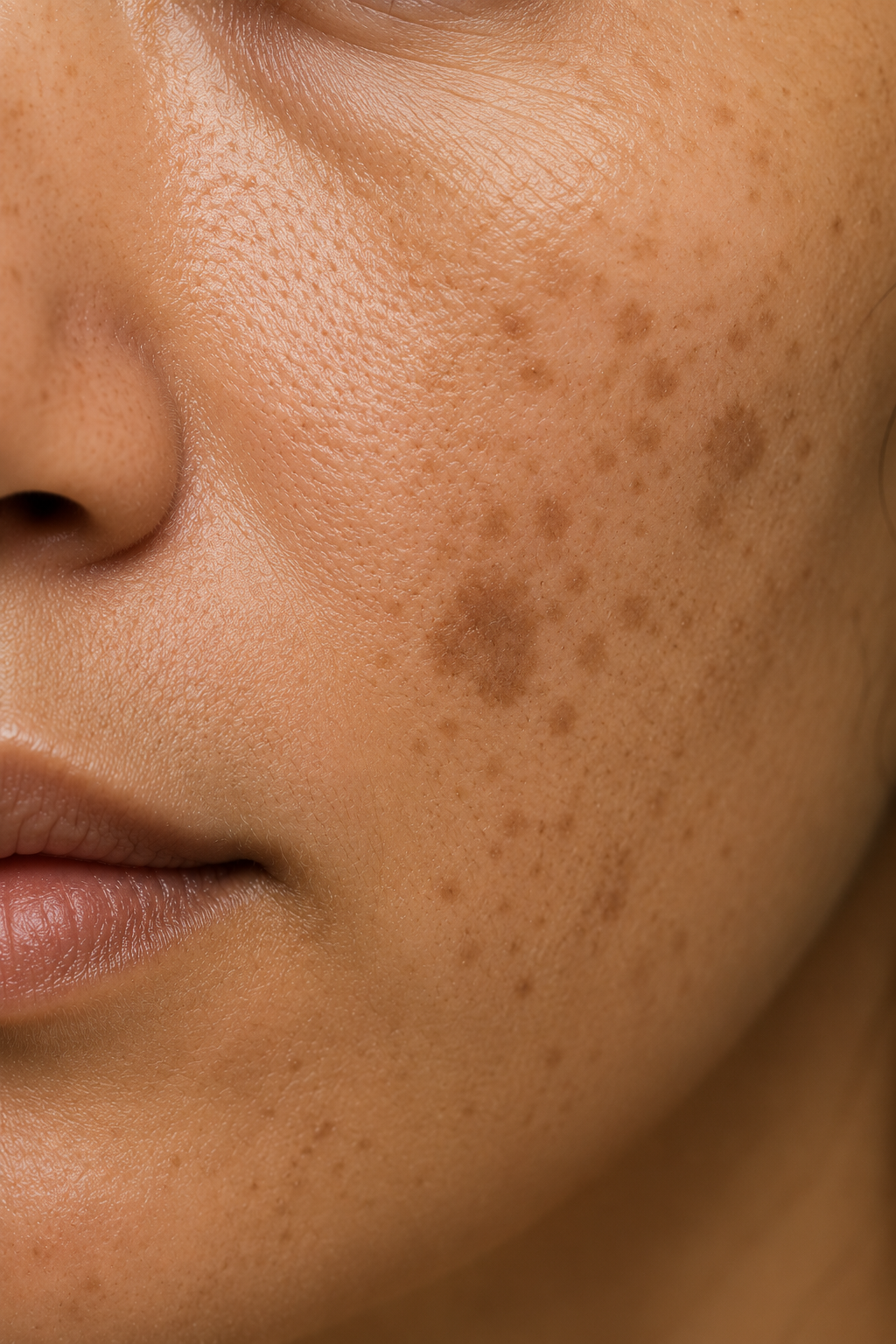
Pigmentation often looks like a surface problem, sun spots, post-acne marks, melasma, uneven tone, but it rarely starts there. What you see on the skin is usually the result of UV exposure, hormonal shifts, inflammation or post-acne healing happening underneath. That's why treating the visible patch alone doesn't always stop it from returning. We look at what's driving the pigmentation in the first place, so your results are built to last, not just fade back in.
Pigment Treatments Chosen By Us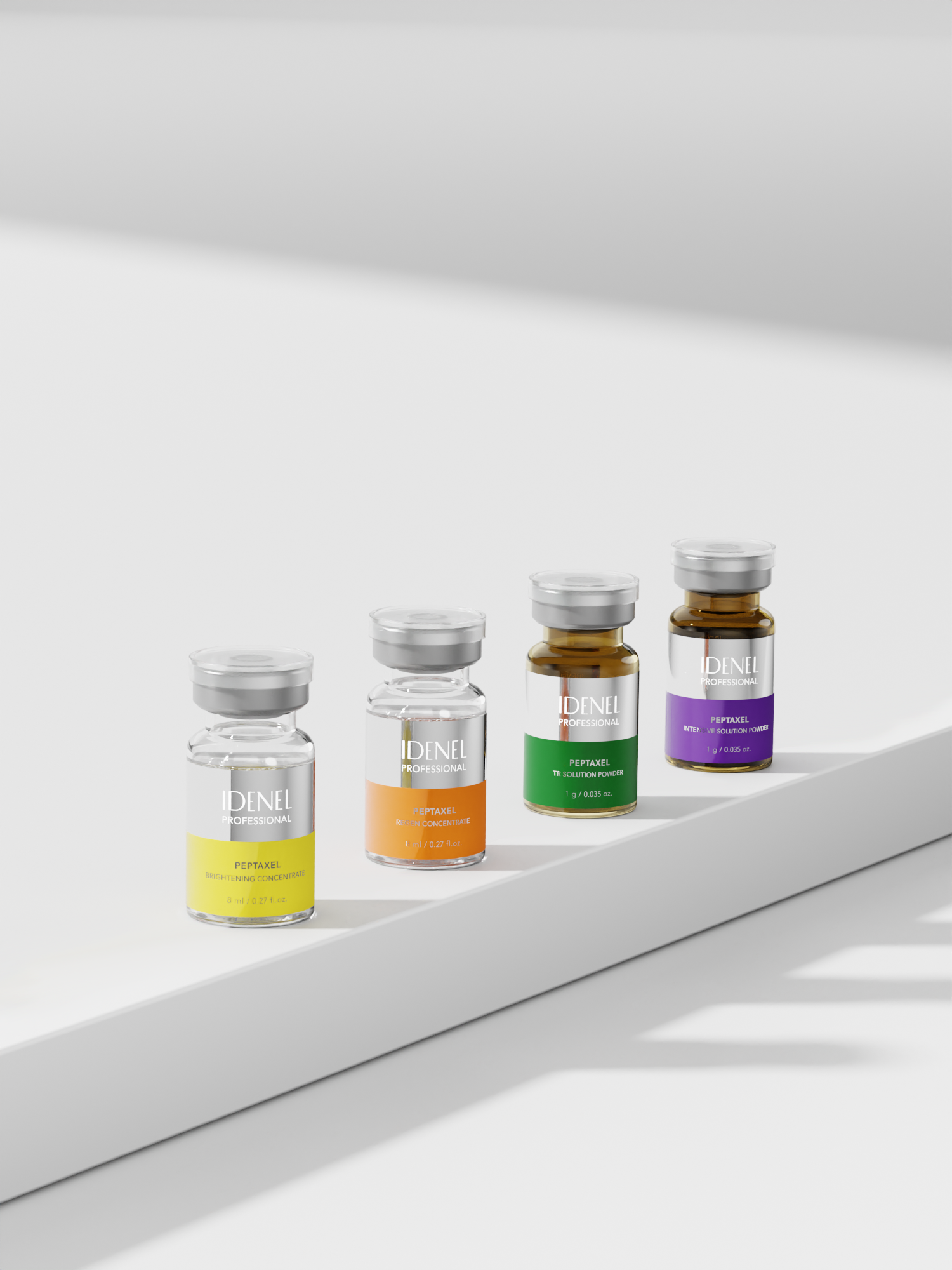
Glassifier Brightening Protocol
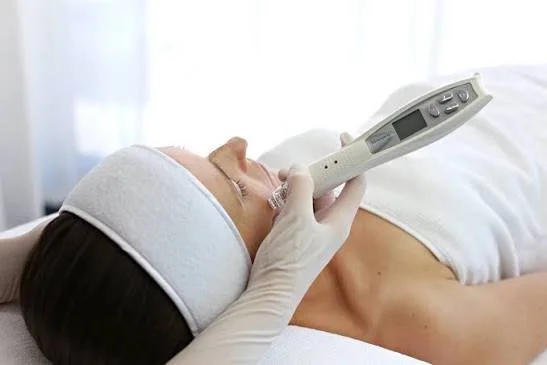
CIT + Electroporation
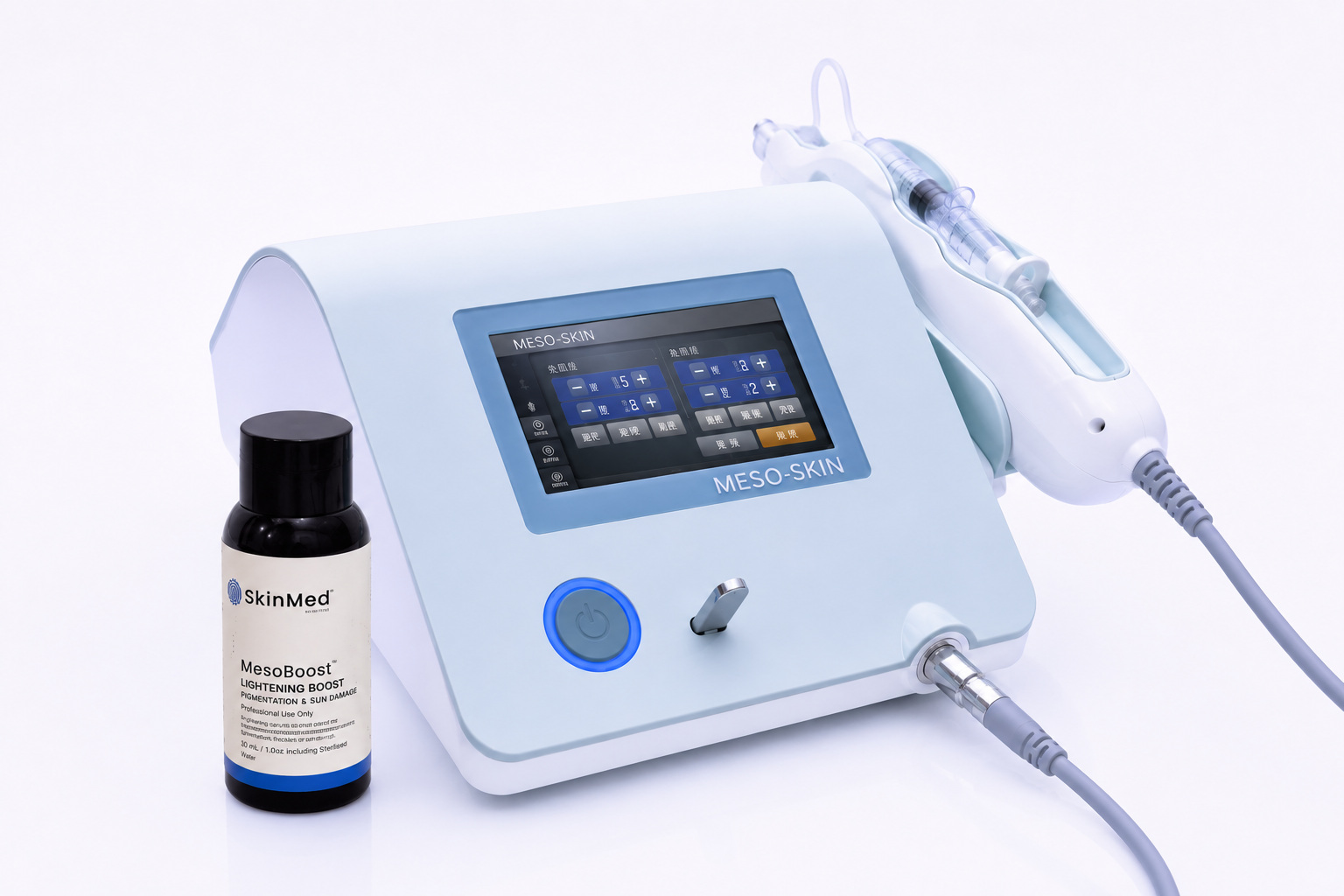
MesoBoost Brightening Infusion
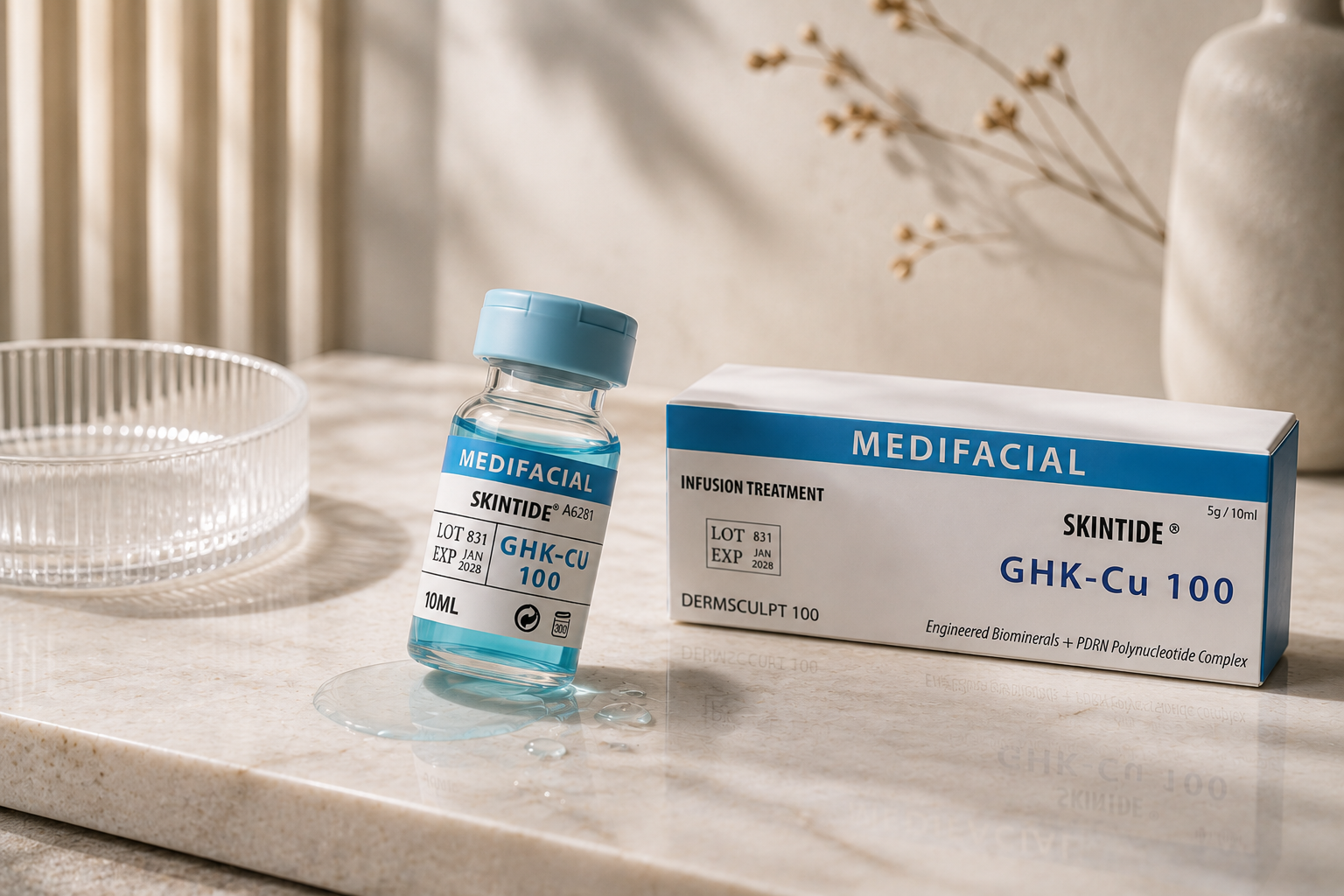
GHK-Cu Collagen Protocol
OneDay Herbal Peel
-
Pigmentation is the natural colour of the skin, determined by a pigment called melanin, which is produced by specialised cells known as melanocytes. Under normal conditions, melanocytes produce a balanced amount of melanin to protect the skin from ultraviolet (UV) damage. However, when these cells become overactive due to triggers such as sun exposure, hormones or inflammation, they enter an "overdrive" state and produce excessive melanin. The excess pigment is transferred into surrounding skin cells and rises to the surface of the skin, resulting in visible brown patches, dark spots or uneven skin tone, commonly referred to as hyperpigmentation.
-
Pigmentation can develop for many reasons, including:
Sun exposure
Hormonal changes (such as pregnancy or contraceptive use)
Acne and skin inflammation
Injury or trauma to the skin
Ageing
Certain medications
Genetics
Often, several factors contribute to pigmentation, which is why every treatment plan should be personalised.
-
Sun damage occurs after years of exposure to ultraviolet (UV) radiation. UV rays stimulate melanocytes to produce more melanin while also breaking down collagen and elastin. This can lead to:
Sunspots (age spots)
Uneven skin tone
Premature ageing
Fine lines and wrinkles
Loss of firmness
-
The most common types include:
Melasma - Hormonal pigmentation.
Sunspots (Solar Lentigines) - Caused by long-term sun exposure.
Post-Inflammatory Hyperpigmentation (PIH) - Dark marks left after acne or skin injury.
Freckles - Small pigmented spots that darken with UV exposure.
-
Pigmentation often returns if the underlying trigger remains active. Ongoing sun exposure, hormonal changes, inflammation, heat and poor skin barrier function can all reactivate pigment production. Maintenance treatments and daily sun protection are important for long-term results.
-
Every treatment begins with a professional skin consultation to identify the type, depth and cause of your pigmentation. Your personalised treatment plan may include professional chemical peels, HydroVital Infusion, MesoBoost Brightening Infusion, Glassifier Brightening Protocol, skin needling, LED therapy and prescription home care. Our goal is to regulate melanin production, strengthen the skin barrier and achieve a brighter, more even complexion. This approach aligns with your clinic's focus on personalised treatment planning and targeted pigmentation therapies
-
Yes. Daily broad-spectrum SPF is one of the most effective ways to prevent pigmentation from worsening or returning. Even on cloudy days, UV radiation can stimulate melanin production and undo treatment progress.
-
Some pigmentation, such as post-inflammatory pigmentation or sunspots, can improve significantly with treatment. Other conditions, such as melasma, are chronic and require ongoing management to minimise recurrence.
-
While gut health does not directly cause pigmentation, chronic inflammation, nutritional deficiencies and poor overall health can affect the skin's ability to heal and regulate inflammation. Supporting overall wellness alongside professional skin treatments can improve skin health and treatment outcome