
Rosacea
/ Redness
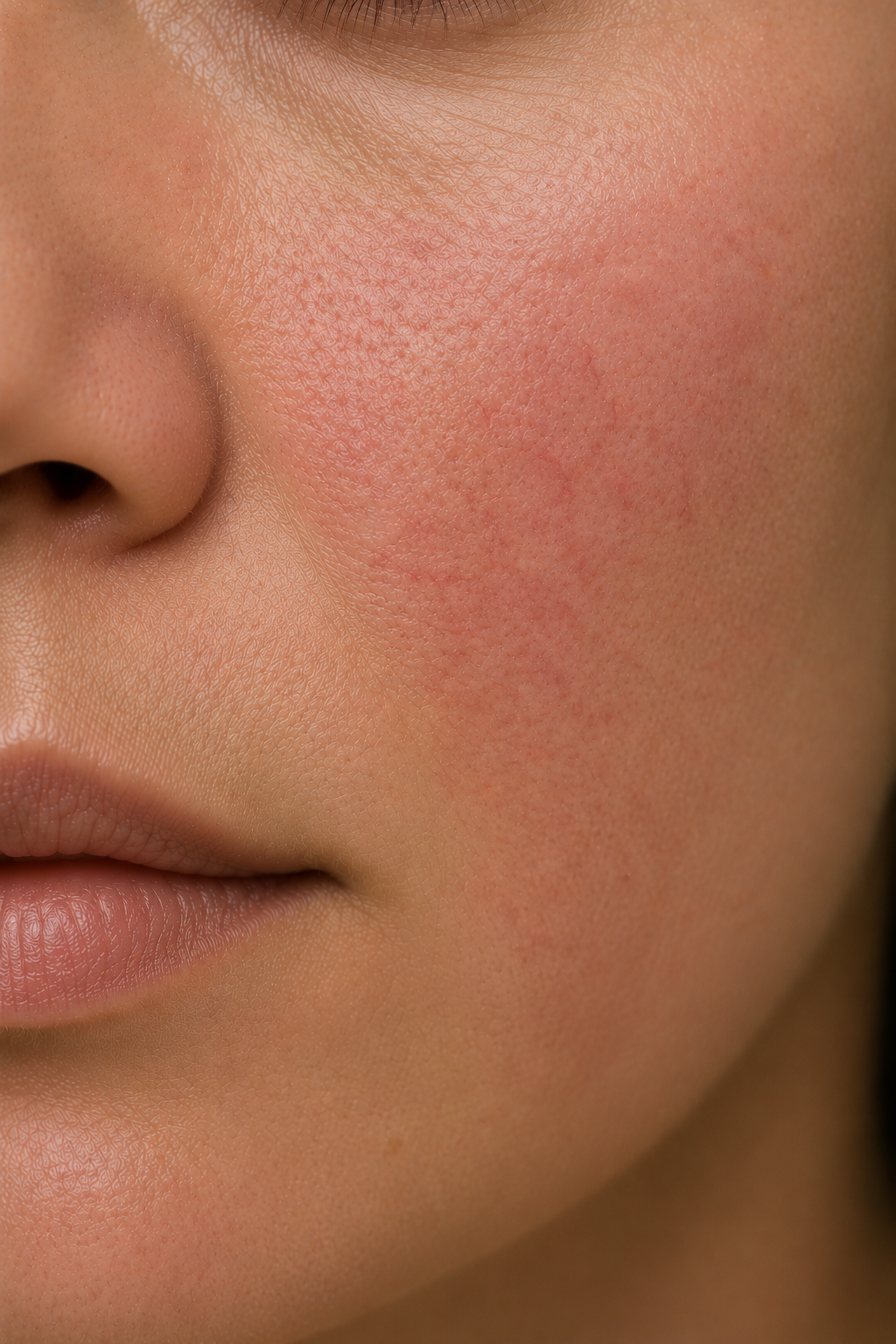
Redness and rosacea are often treated as something to simply cover or calm on the surface, but they're usually a sign of what's happening deeper within the skin. An overreactive immune response, a compromised barrier, dilated blood vessels, triggers like heat and stress, and inflammation can all contribute to skin that flushes, flares or feels persistently reactive.
Rosacea isn't just sensitive skin, it's a chronic inflammatory condition, which is why it tends to return without an approach that addresses what's triggering it, not just the visible flush.
Rather than just masking the redness, we focus on calming the underlying inflammation, strengthening the skin barrier and reducing reactivity, to achieve calmer, more comfortable skin over time.
Soothing Treatments Chosen By Us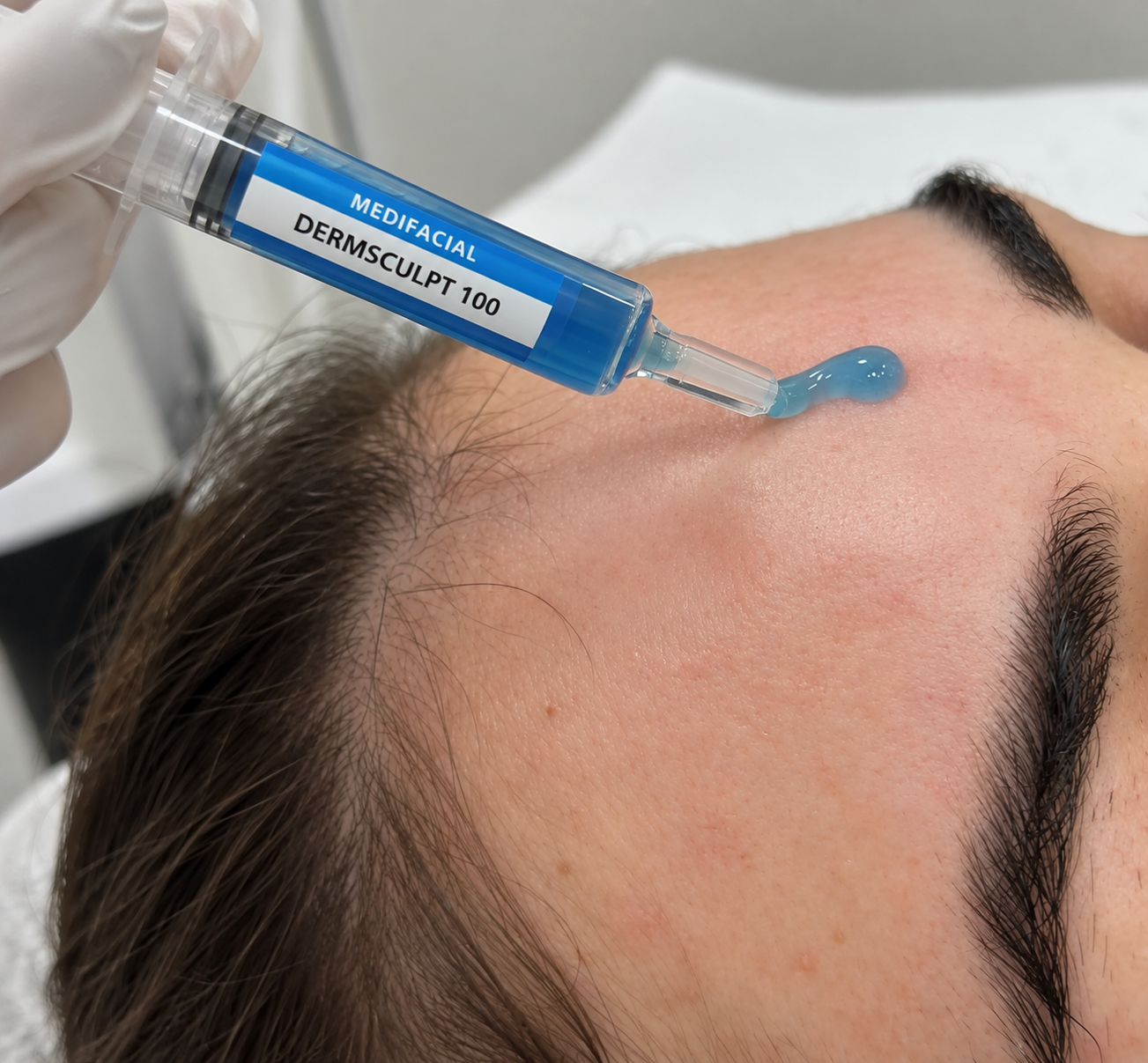
Bioneedling 100 GHK-Cu
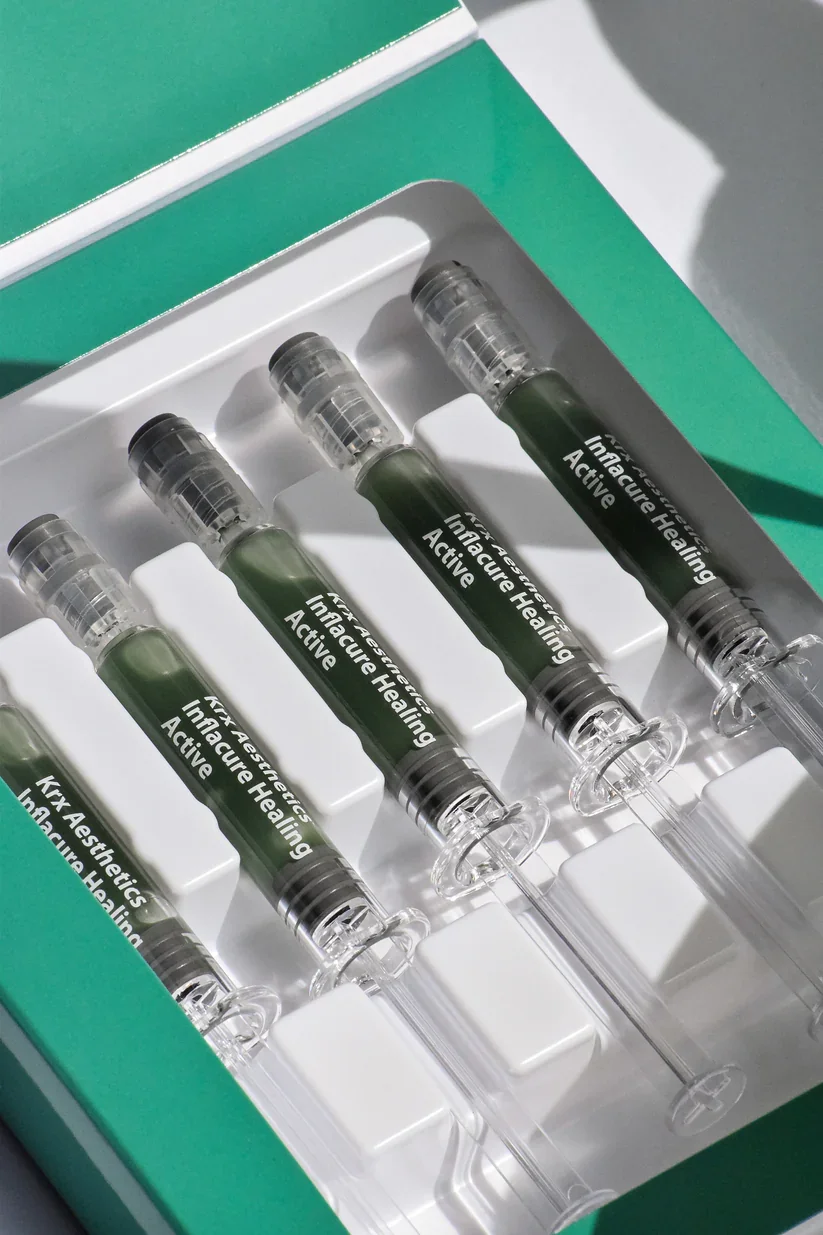
Inflacure Healing Infusion
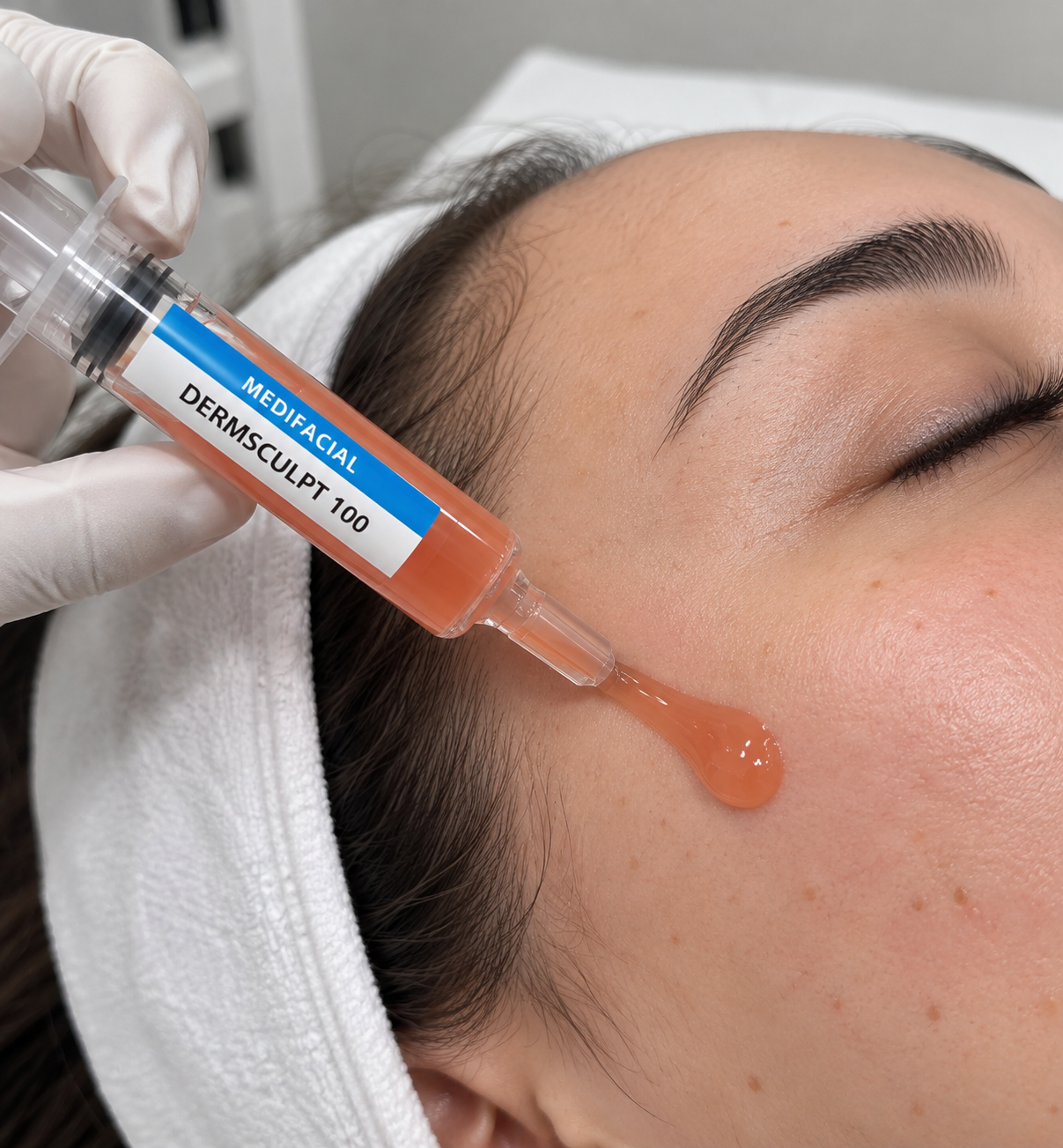
Bioneedling 100 PDRN
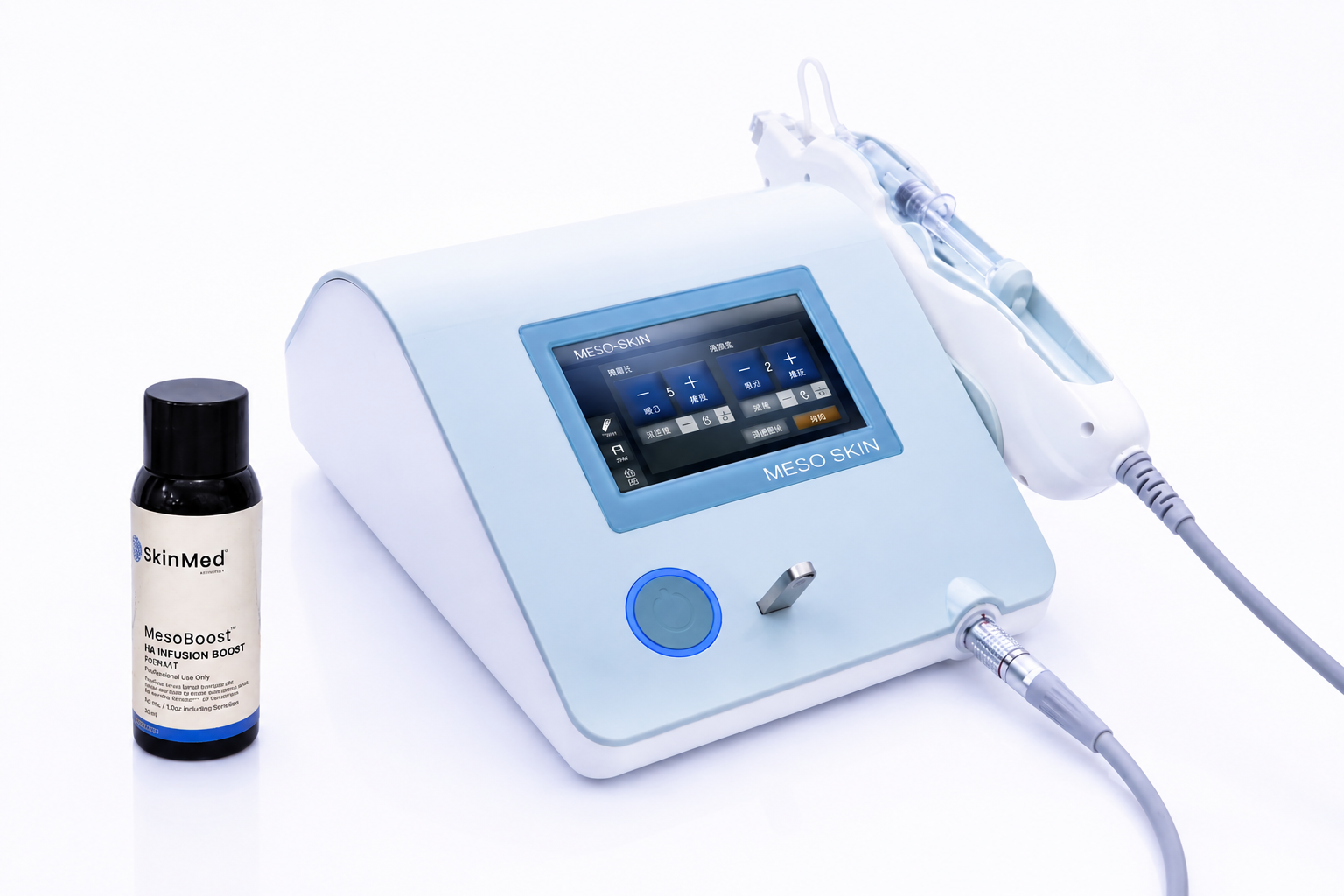
MesoBoost Hydration Infusion
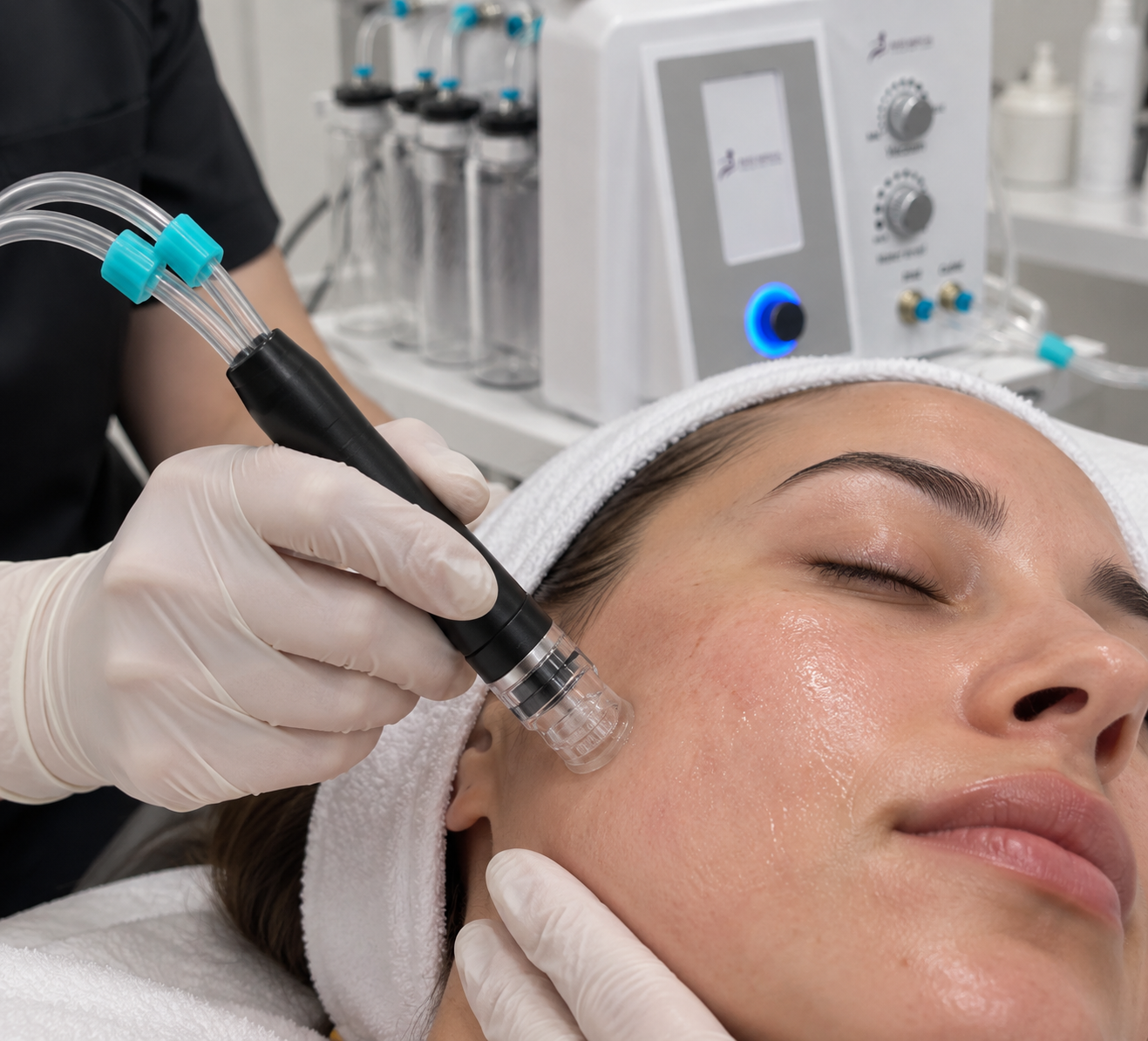
Hydro Infusion Therapy
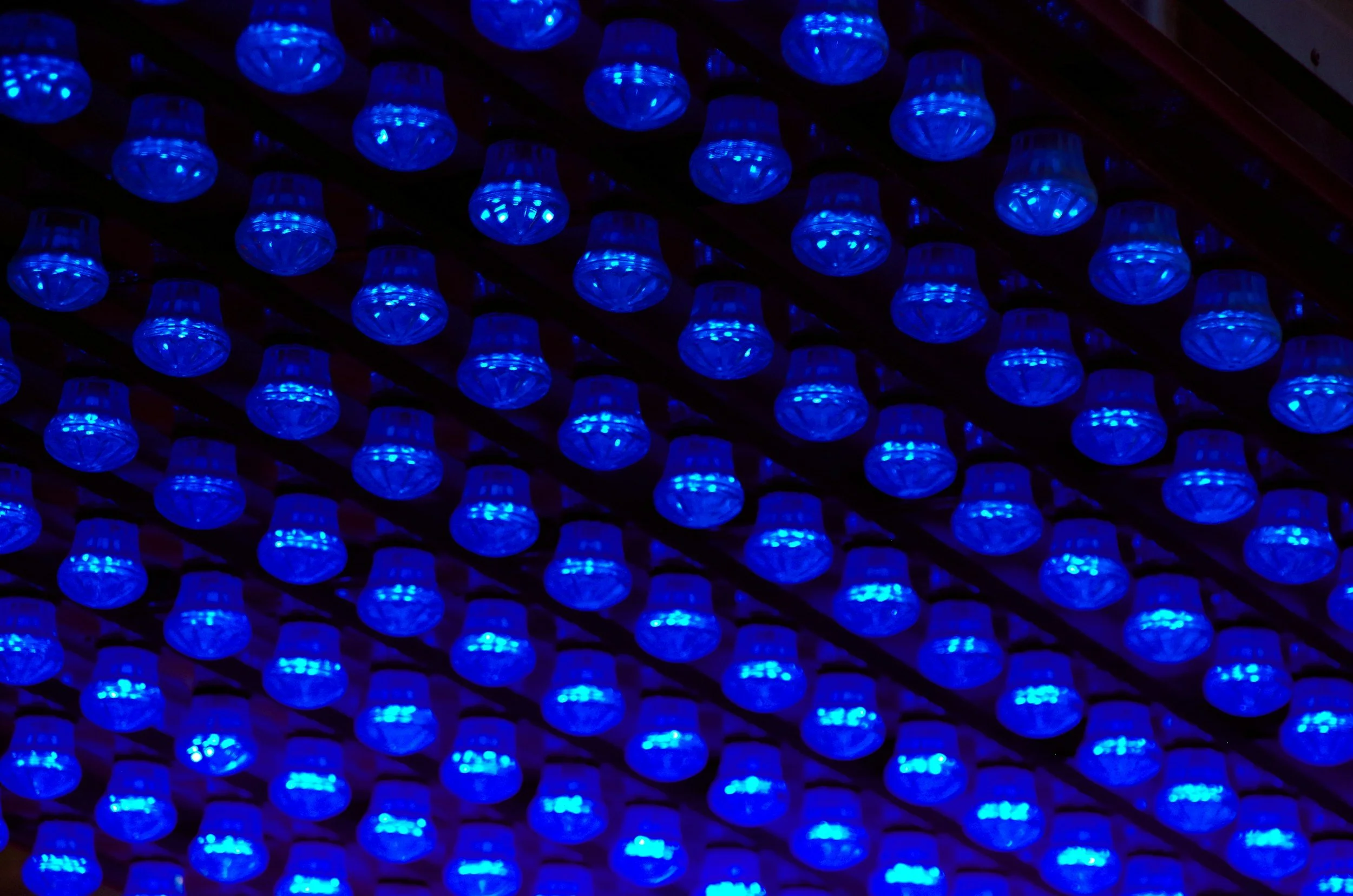
LED Light Therapy
-
Facial redness is a symptom rather than a diagnosis. While rosacea is one of the most common causes, redness can also result from a weakened skin barrier, inflammation, sensitive skin, sun damage, allergies, eczema, dermatitis, acne, hormonal changes or environmental factors.
Because several conditions can look similar, identifying the underlying cause is the first step towards choosing the most appropriate treatment.
-
Many people assume facial redness means rosacea, but this isn't always the case.
Rosacea is a chronic inflammatory skin condition that often develops gradually. It typically begins with frequent flushing before progressing to persistent redness, visible blood vessels and, in some people, red bumps and pus-filled pimples.
Redness caused by a weakened skin barrier or irritation often develops after over-exfoliation, using too many active skincare ingredients, environmental exposure or an allergic reaction. Unlike rosacea, barrier-related redness often improves once the skin barrier is repaired and the underlying irritation is addressed.
A professional skin consultation can help determine whether your redness is related to rosacea, barrier dysfunction, inflammation or another skin condition
-
Not all redness is the same, and understanding the type of redness is essential for selecting the right treatment.
Barrier-Related Redness: Occurs when the skin barrier becomes damaged, allowing moisture to escape while irritants enter the skin more easily. The skin may feel tight, dry, sensitive or sting after applying skincare products.
Inflammatory Redness: Develops when the skin's immune system responds to irritation, acne, rosacea or environmental damage. It often appears as widespread redness accompanied by warmth or tenderness.
Vascular Redness: Caused by enlarged or overactive blood vessels, leading to frequent flushing or persistent redness. This is commonly seen in rosacea.
Telangiectasia (Visible Capillaries): Small, permanently enlarged blood vessels that appear as fine red or purple thread-like lines beneath the skin's surface. They commonly develop alongside vascular rosacea and chronic sun damage.
Papules and Pustules: Inflammatory red bumps and pus-filled pimples associated with papulopustular rosacea. Unlike acne, these usually occur without blackheads and are accompanied by persistent facial redness.
-
Yes. Overusing active skincare ingredients is one of the most common causes of skin barrier damage and facial redness.
Using multiple exfoliating acids, retinoids, vitamin C, benzoyl peroxide or other active ingredients too frequently can weaken the skin's protective barrier, leading to irritation, dryness, inflammation and increased sensitivity.
Signs your skin barrier may be compromised include:
Persistent redness
Burning or stinging after applying skincare
Tight, dry or flaky skin
Increased sensitivity
Products that previously felt comfortable now causing irritation
Restoring the skin barrier often requires simplifying your skincare routine, improving hydration and avoiding unnecessary irritation while the skin heals.
-
Although the exact cause of rosacea is not fully understood, research suggests it develops through a combination of genetics, immune system dysfunction, impaired skin barrier function and changes within the skin's blood vessels.
In people with rosacea, the blood vessels become overly reactive and dilate more easily, leading to flushing and persistent redness. The skin's immune system also becomes more sensitive, triggering chronic inflammation that can result in redness, visible capillaries, papules and pustules.
Common triggers include:
Sun exposure
Heat and hot weather
Cold wind
Stress
Alcohol
Spicy foods
Hot drinks
Exercise
Certain skincare products
Fragrance
Hormonal changes
Some medications
Triggers vary from person to person, which is why identifying your individual triggers is an important part of long-term rosacea management.
-
At Skin Symphony Clinic, we focus on supporting clients with Stage 1 and Stage 2 rosacea, which are within our scope of practice.
Stage 1 - Erythematotelangiectatic Rosacea
Frequent flushing
Persistent facial redness
Sensitive skin
Burning or stinging
Visible capillaries (thread veins)
Stage 2 - Papulopustular Rosacea
Persistent redness
Inflammatory red bumps
Pus-filled pimples
Skin sensitivity
Ongoing inflammation
More advanced forms of rosacea, including thickened skin (Phymatous Rosacea) or eye involvement (Ocular Rosacea), require assessment and management by a medical practitioner or dermatologist.
-
Although rosacea is a chronic condition without a cure, its symptoms can often be effectively managed.
Professional skin treatments, barrier repair, trigger management and an appropriate home skincare routine can help reduce inflammation, calm redness, strengthen the skin barrier and improve overall skin comfort.
The earlier redness is addressed, the easier it is to support healthy skin and reduce flare-ups over time.
-
Healthy skin begins with protecting the skin barrier.
General recommendations include:
Use a gentle, non-stripping cleanser.
Apply a moisturiser that supports the skin barrier.
Wear a broad-spectrum SPF every day.
Avoid harsh scrubs and excessive exfoliation.
Introduce active ingredients gradually.
Keep skin hydrated.
Identify and minimise your personal triggers.
Choose skincare suited to sensitive or rosacea-prone skin.
A personalised home care routine is one of the most effective ways to reduce redness and maintain long-term skin health.
-
The first step is understanding why your skin is red.
During your consultation, we'll assess your skin barrier, hydration, inflammation, vascular changes, skin sensitivity and lifestyle factors to determine the underlying cause of your redness. From there, we'll create a personalised treatment plan designed to calm inflammation, strengthen your skin barrier and support healthier, more resilient skin over the long term.