
Scarring
Scarring is often seen as something that just needs to be resurfaced away, but the way skin scars, and how well it responds to treatment, depends on what's happening deeper within the skin. Collagen disruption, inflammation, skin type and how the original injury or breakout healed can all affect a scar's texture, depth and appearance over time.
Not all scarring is the same, raised, pitted and discoloured scars each form differently and respond to different approaches, which is why scarring rarely improves with a single generic treatment.
Rather than just targeting the surface, we focus on rebuilding skin structure, supporting healthy collagen production and improving overall skin texture to achieve smoother, healthier-looking skin over time.

Scarring Treatments Chosen By Us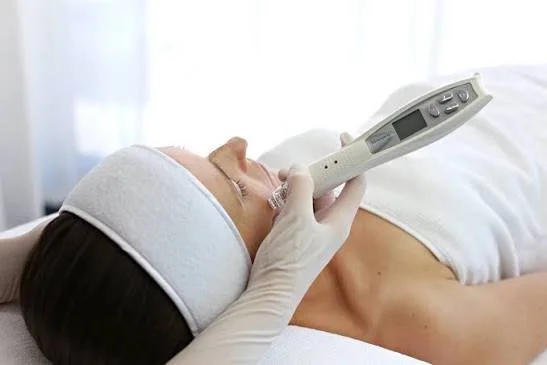
Advanced CIT Skin Renewal
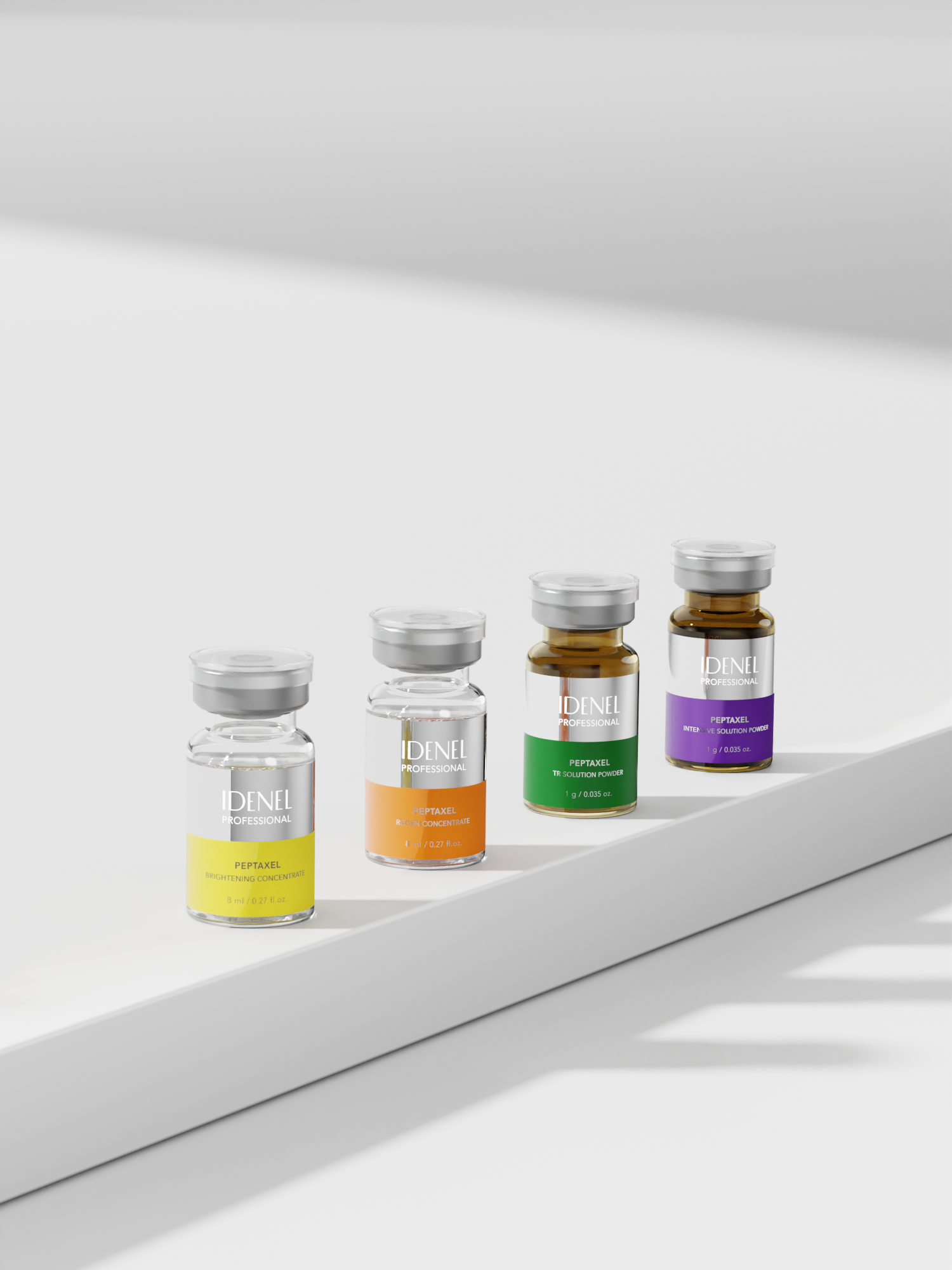
Glassifier Regenerative Protocol
-
Skin scarring is a natural part of the skin's healing process following injury or inflammation. When the skin is damaged- whether from acne, surgery, trauma, burns, infections or other injuries- the body produces collagen to repair the affected area. Depending on how the wound heals and how much collagen is produced, a scar may appear raised, depressed, discoloured or textured.
Not all scars are the same. Some result from a loss of collagen, creating indentations in the skin, while others develop from excess collagen, causing raised or thickened scars.
Factors such as the severity of the injury, genetics, skin type, inflammation and wound healing all influence how a scar develops.
Although scars cannot usually be completely removed, many can be significantly improved with the right combination of professional treatments and personalised skincare.
-
Skin scarring may present as:
Uneven skin texture
Depressed or indented scars
Raised or thickened scars
Rolling or wavy skin texture
Small narrow pits
Wider shallow depressions
Firm raised tissue
Changes in skin colour (red, pink, brown or pale)
Reduced skin smoothness
Areas of skin tightness
-
Scars form when the skin's deeper layers (the dermis) become damaged. During healing, the body replaces injured tissue with collagen. The amount and organisation of this collagen determine the appearance of the scar.
Common causes include:
Acne
Chickenpox
Surgery
Trauma or cuts
Burns
Skin infections
Piercings
Insect bites
Chronic skin picking
Delayed wound healing
The severity of inflammation, wound depth, genetics, collagen production and aftercare all influence the final appearance of a scar.
-
While many scars can be improved with professional skin treatments, some types of scarring require assessment and treatment by a GP, dermatologist or plastic surgeon.
These include:
Keloid scars - Raised scars that continue to grow beyond the original wound due to excessive collagen production.
Unhealed or infected wounds - Skin must be fully healed before any scar treatment can begin.
Suspicious or changing skin lesions - Any scar or skin lesion that changes in size, colour, shape or appearance should be assessed by a medical professional.
Scars associated with certain medical conditions - Some scars may require medical management before cosmetic treatments are appropriate.
If we believe your scar is outside our scope of practice, we'll recommend the most appropriate healthcare professional to ensure you receive the safest and most effective care.
-
Scar improvement is a gradual process, as your skin needs time to produce new collagen and remodel existing scar tissue. While some people notice improvements after their first treatment, most scars require a series of treatments to achieve the best results.
A General Timeline
Weeks 1-4
Your skin begins its natural healing response. Collagen production is stimulated, although visible changes are usually minimal during this stage.Months 1-3
New collagen continues to develop, and many people begin to notice improvements in skin texture, scar depth and overall skin quality.Months 3-6+
Collagen remodelling continues, with scars gradually becoming smoother, softer and less noticeable. Improvements may continue for several months following your final treatment.
-
Every scar heals differently. The number of treatments required and the results achieved depend on several factors, including:
The type of scar (ice pick, boxcar, rolling or raised)
The depth and severity of the scar
How old the scar is - newer scars generally respond more quickly than older, well-established scars
Your skin's natural healing response
Consistency with professional treatments and home care
Because no two scars are the same, your treatment plan will be personalised to your skin and scar type to achieve the best possible outcome.
-
Absolutely!!
Picking, squeezing or popping pimples can increase the risk of permanent scarring.
When a pimple is squeezed, the inflammation can be pushed deeper into the skin, damaging the surrounding tissue and collagen. This not only prolongs the healing process but can also increase the risk of infection, post-inflammatory pigmentation and permanent acne scars.
If you're prone to breakouts, it's best to avoid picking your skin and seek early treatment to help minimise inflammation and reduce the risk of long-term scarring.
-
Yes. While acne scars cannot usually be completely removed, many can be significantly improved with the right treatment plan.
Professional treatments work by stimulating collagen remodelling, encouraging healthy skin regeneration and improving the skin's overall texture and appearance. The extent of improvement depends on several factors, including the type of scar, its depth, how long it has been present, your skin's healing response and consistency with treatment.
Every scar is unique, which is why a personalised treatment approach often provides the best results.
-
Many people mistake post-acne marks for permanent acne scars, but they are different skin concerns.
Post-Inflammatory Erythema (PIE) appears as pink or red marks left behind after a pimple has healed. These marks are caused by inflammation and changes to the tiny blood vessels within the skin.
Post-Inflammatory Hyperpigmentation (PIH) appears as brown, grey or darker patches after inflammation. It occurs when excess melanin is produced during the healing process.
Acne Scars are permanent changes in the skin's texture caused by either a loss of collagen (depressed scars) or excess collagen (raised scars) during healing.
Unlike post-acne marks, which often fade over time, acne scars usually require professional treatment to improve their appearance
-
While not every scar can be prevented, early treatment and proper wound care can significantly reduce the risk of permanent scarring.
You can help minimise the risk by:
Treating acne early to reduce inflammation.
Avoiding picking or squeezing pimples.
Keeping wounds clean and protected while they heal.
Following your post-treatment or post-procedure aftercare instructions.
Wearing a broad-spectrum SPF daily to help prevent pigmentation changes.
Seeking professional advice if acne or wounds are slow to heal.
The sooner inflammation is controlled and the skin is supported during healing, the better the chances of achieving a smoother, healthier recovery.