
Sensitive Skin
/ Compromised Skin Barrier
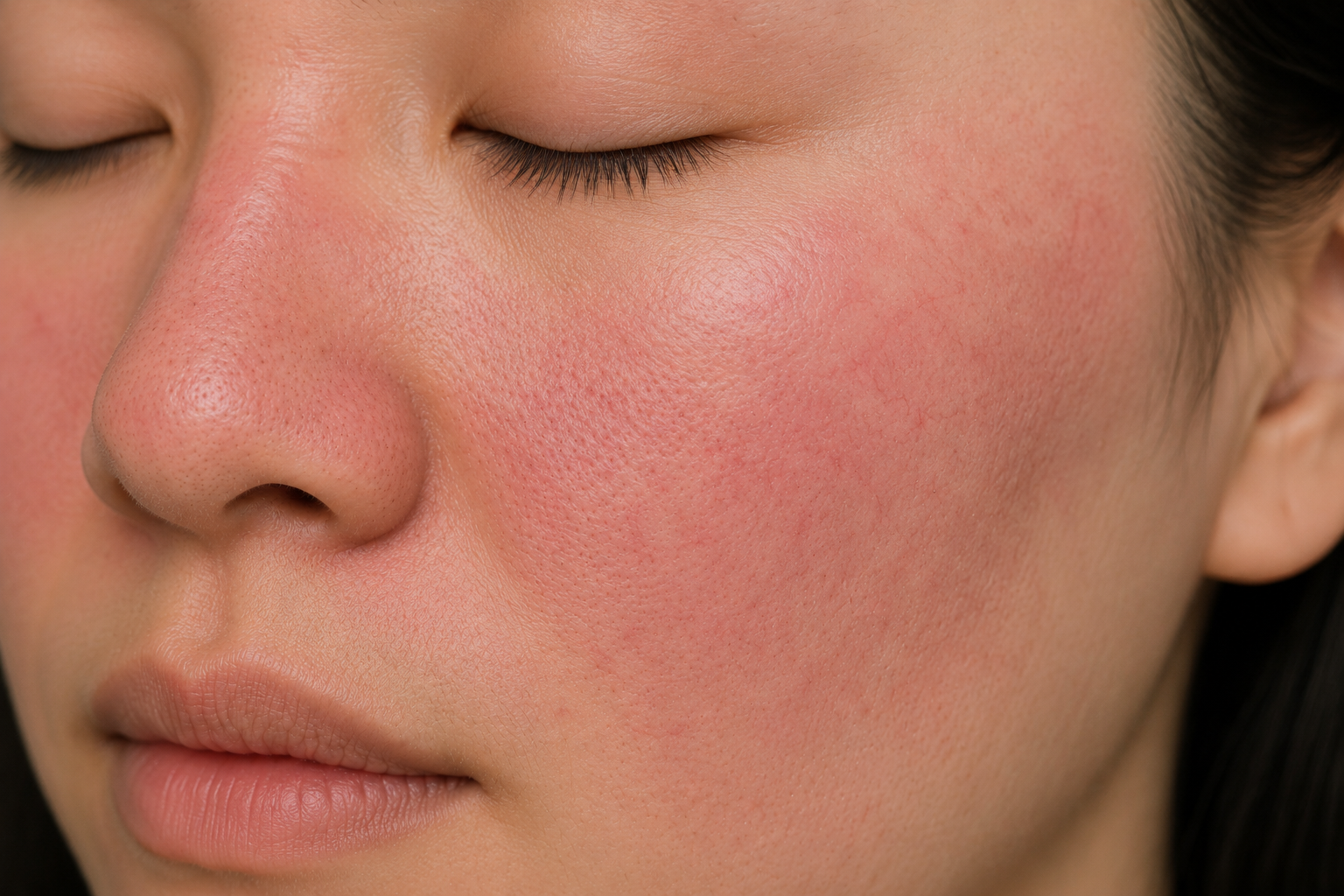
Sensitive skin and a compromised skin barrier are common concerns that can leave your skin feeling dry, tight, irritated, red, or easily reactive. A healthy skin barrier acts as your body's first line of defense, protecting against environmental damage while locking in essential moisture. When this protective barrier becomes weakened, your skin becomes more vulnerable to dehydration, irritation, inflammation, and sensitivity. At Skin Symphony Clinic, we focus on restoring and strengthening the skin barrier to improve skin health, reduce sensitivity, and create the ideal foundation for long-term skin results.
Barrier Repair Treatments Chosen By Us
LED Light Therapy
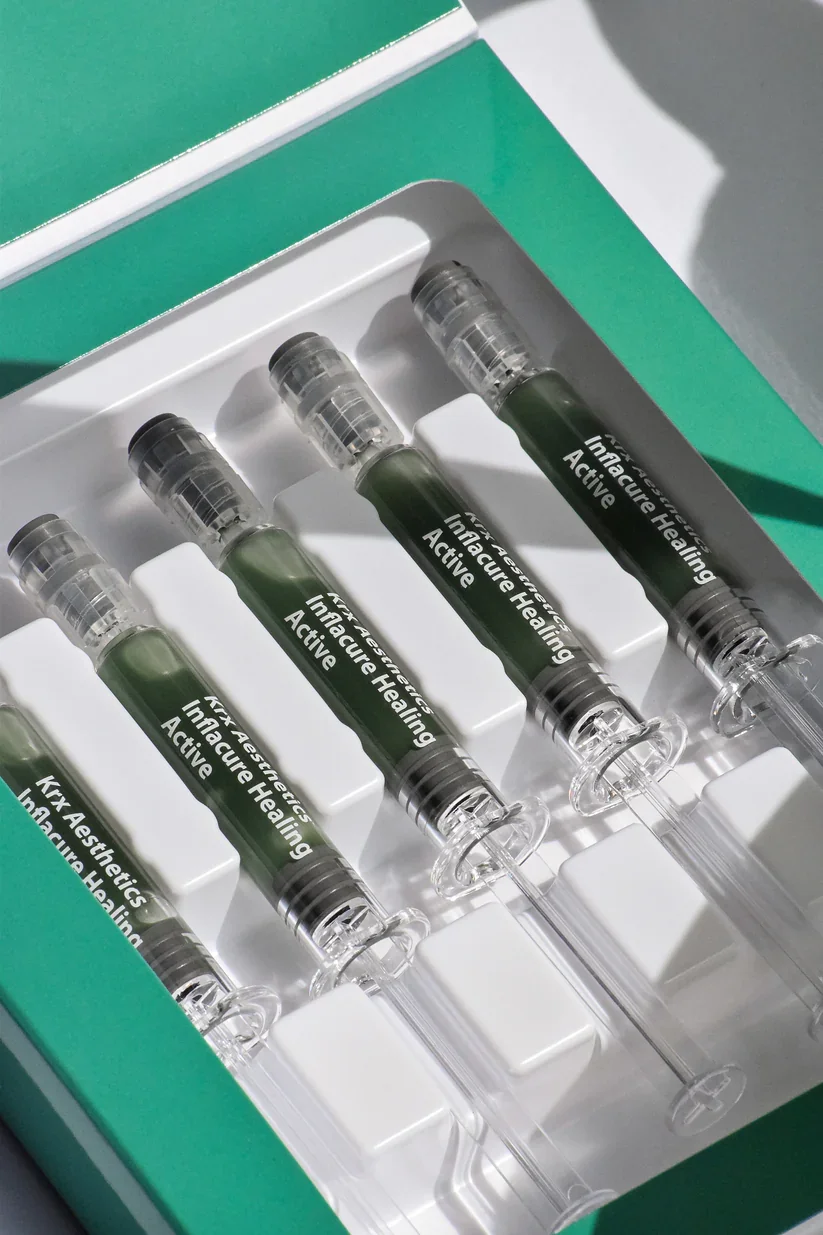
Inflacure Healing Infusion
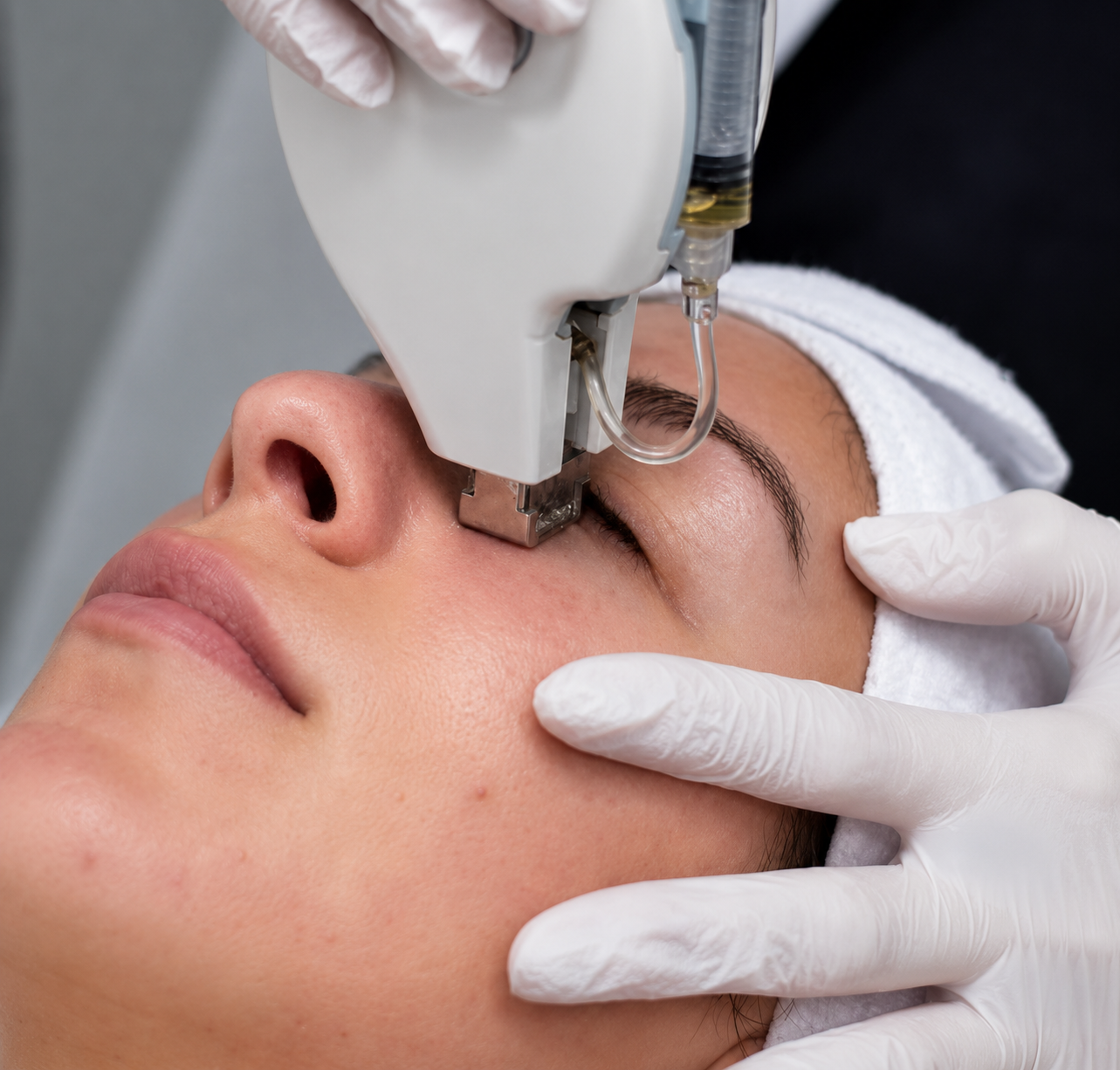
MesoBoost Hydration Infusion
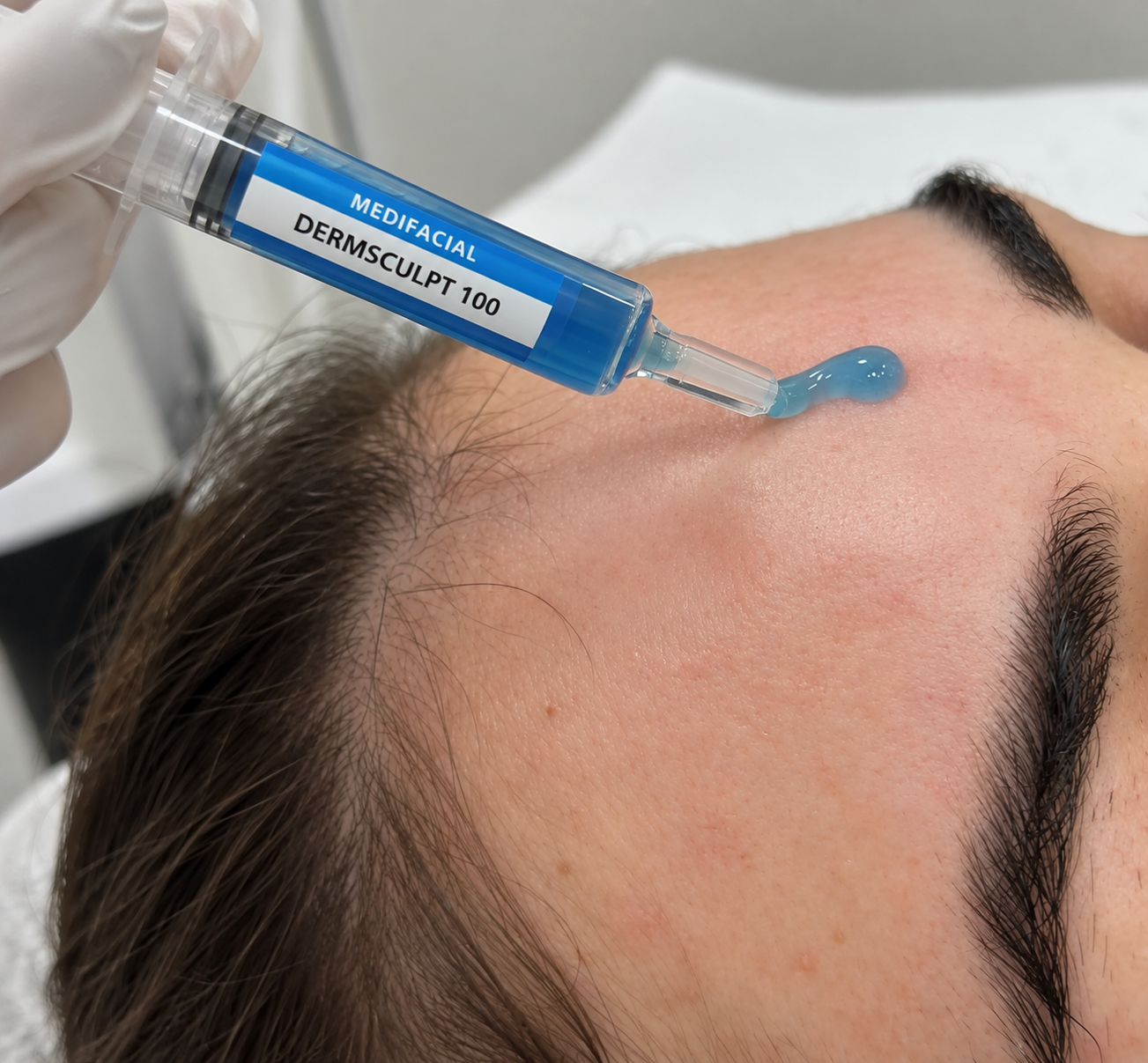
Bioneedling 100 GHK-Cu
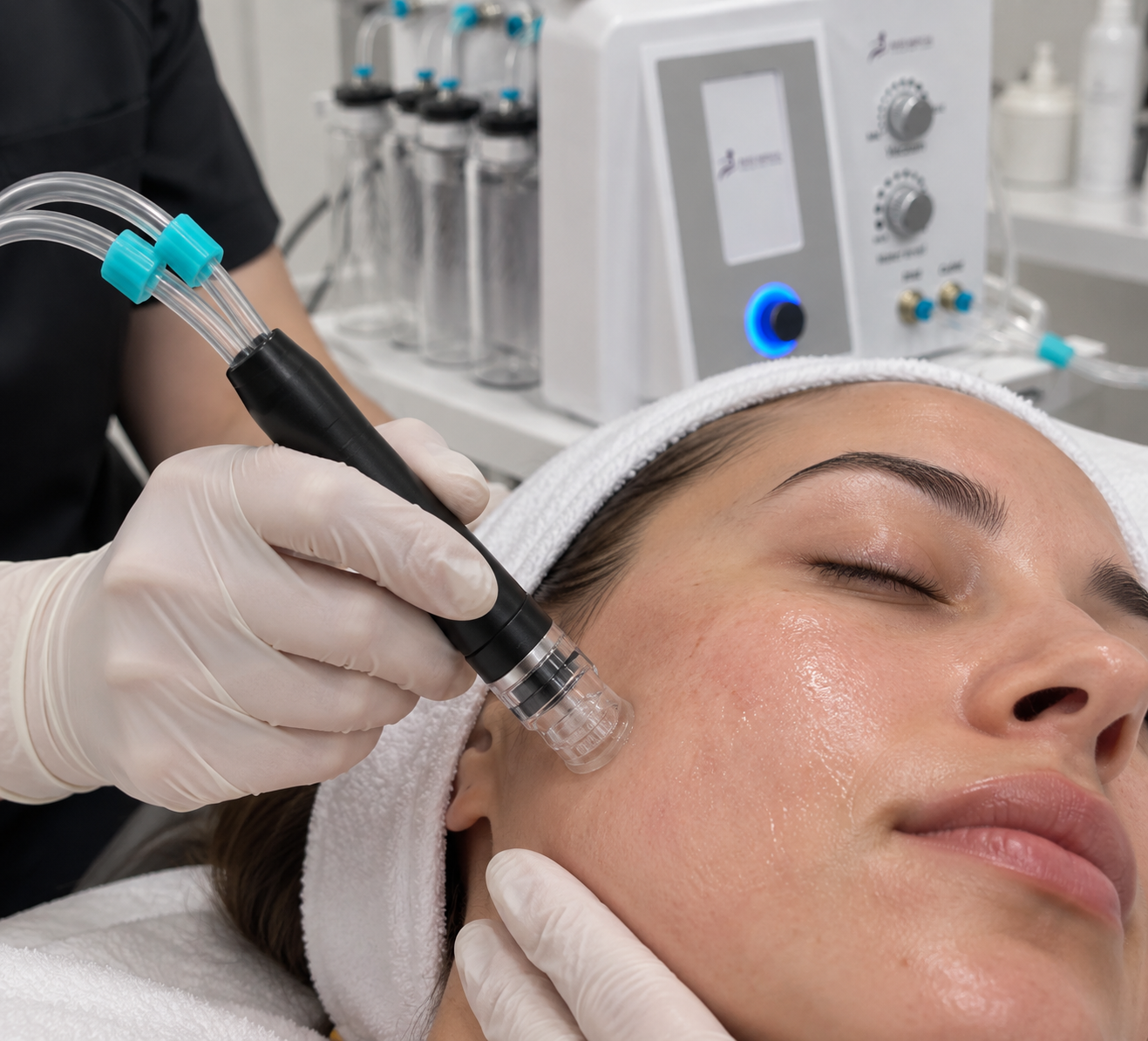
Hydro Infusion Therapy
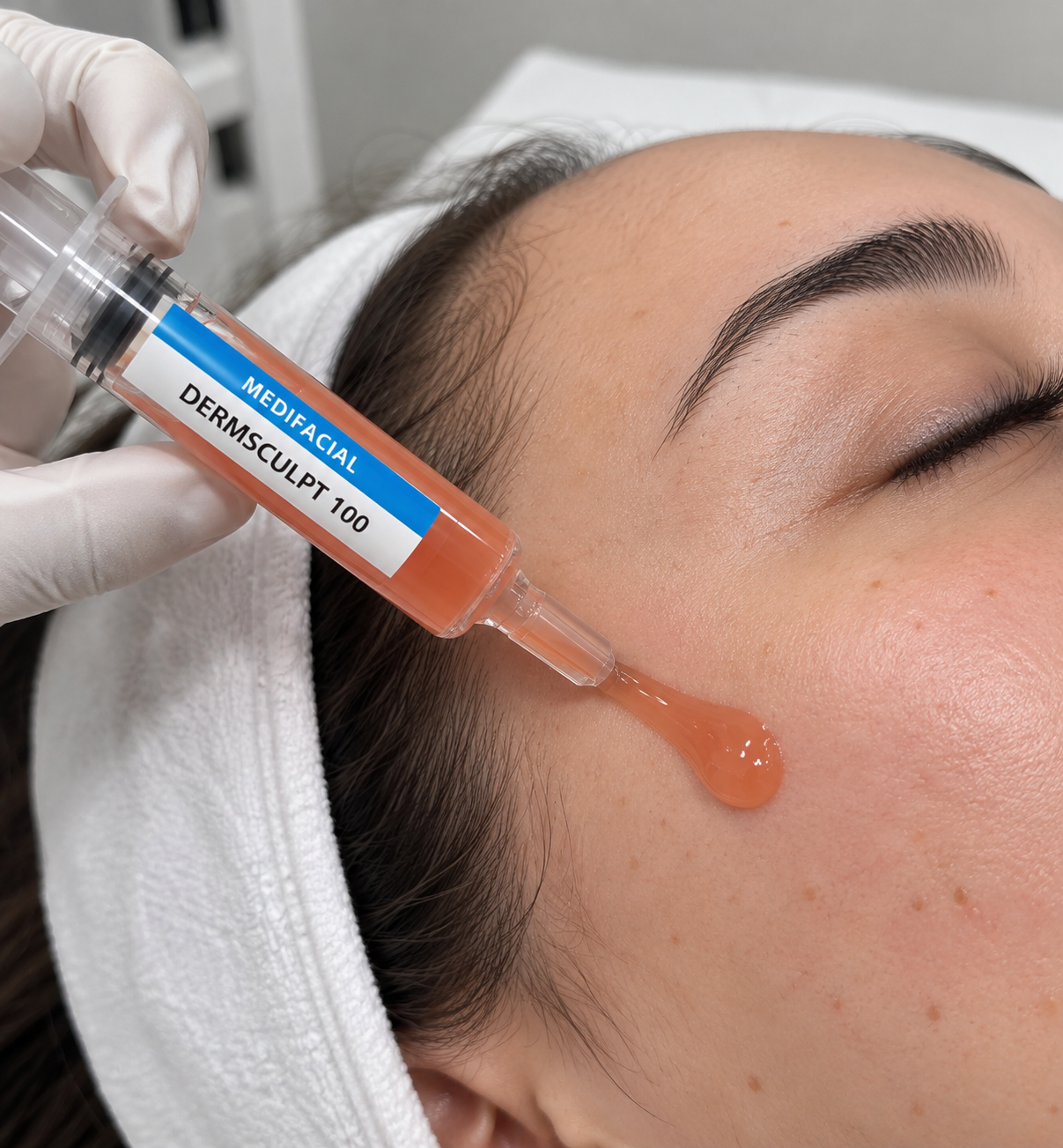
Bioneedling 100 PDRN
-
Think of your skin barrier as a brick wall protecting your home.
The skin cells are the bricks, while the natural fats (lipids), ceramides, cholesterol, and fatty acids are the mortar holding those bricks together.
When the wall is healthy, it keeps the good things in- such as water-and keeps the bad things out, including bacteria, allergens, pollution, and irritants.
When the mortar becomes damaged, gaps form between the bricks. Water escapes more easily, and irritants can enter the skin, leading to dryness, redness, sensitivity, inflammation, and discomfort.
A healthy skin barrier is the foundation of healthy skin and is essential before addressing concerns such as acne, pigmentation, ageing, or rosacea.
-
Your skin barrier can become weakened by many everyday factors, including:
Over-exfoliating
Using too many active ingredients
Harsh cleansers
Sun exposure
Cold or windy weather
Hot showers
Stress
Lack of sleep
Certain skin conditions such as eczema or rosacea
Some medications
Pollution
Sometimes people are trying so hard to improve their skin that they accidentally damage their barrier by using too many products too quickly.
-
Everyone's skin is different, but common signs include:
Tightness after cleansing
Burning or stinging when applying skincare
Dryness or flaking
Persistent redness
Increased sensitivity
Itching
Rough texture
Skin that becomes oily and dry at the same time
Frequent breakouts despite using acne products
Products that suddenly start irritating your skin
If your skin seems to react to almost everything, your barrier may need repair before stronger active ingredients are introduced
-
The skin barrier is found within the outermost layer of your skin, called the epidermis, specifically the stratum corneum.
This layer contains:
Skin cells (corneocytes)
Ceramides
Cholesterol
Fatty acids
Natural Moisturising Factors (NMFs)
Together, these components regulate water loss, protect against environmental damage, and help maintain healthy skin function.
When this layer becomes disrupted, water escapes more easily, causing dehydration and making the skin more vulnerable to irritation and inflammation.
-
These three groups of ingredients all support the skin barrier, but they work in different ways.
Humectants: Humectants attract water into the skin.
Think of them as a sponge that draws moisture from the environment or deeper layers of the skin.
Examples include:
Hyaluronic Acid
Glycerin
Panthenol
Sodium PCA
Urea
Emollients: Emollients soften and smooth the skin by filling the tiny gaps between skin cells.
Think of them as the mortar repairing the cracks in your brick wall.
Examples include:
Squalane
Ceramides
Jojoba Oil
Fatty Acids
Cholesterol
Occlusives: Occlusives form a protective seal over the skin to reduce water loss.
Think of them as placing a waterproof blanket over the repaired wall to protect it while it heals.
Examples include:
Petrolatum
Dimethicone
Shea Butter
Beeswax
Lanolin
Healthy barrier repair often requires a combination of all three.
-
Yes.
One of the biggest misconceptions is that oily skin cannot be dehydrated or have a damaged barrier.
When your skin becomes dehydrated or irritated, it may actually produce more oil in an attempt to protect itself. This often creates a cycle of oily skin, congestion, sensitivity, and breakouts.
Repairing the skin barrier is often an essential first step before treating acne, pigmentation, or excessive oil production.
-
Barrier repair requires consistency and patience.
This usually involves:
Using a gentle cleanser
Reducing or temporarily stopping harsh active ingredients if advised
Wearing sunscreen every day
Using moisturisers rich in ceramides, cholesterol, and fatty acids
Adding humectants to increase hydration
Using occlusive ingredients when appropriate to reduce moisture loss
Avoiding excessive exfoliation
Following a personalised skincare routine
Professional treatments may also help calm inflammation and support the skin's natural repair process once the barrier has begun recovering.
-
A healthy skin barrier allows your skin to function as it was designed.
When the barrier is damaged, treatments for acne, pigmentation, ageing, or scarring may become less effective because the skin is already inflamed and unable to tolerate stronger ingredients.
At Skin Symphony Clinic, we often prioritise restoring skin barrier health before progressing to corrective treatments. Building a strong foundation helps improve treatment outcomes, reduces irritation, and supports healthier, more resilient skin in the long term.