
Acne
Congestion | Oily Skin
Acne, congestion and oily skin often look like a surface problem, but they rarely start there. Blocked follicles, excess sebum and bacteria are what you see, but hormones, genetics, inflammation and lifestyle are usually what's driving it underneath. That's why treating the breakout alone doesn't always stop the cycle. We look at what's causing the congestion in the first place, not just what's visible on the skin.

Acne Treatments Chosen By Us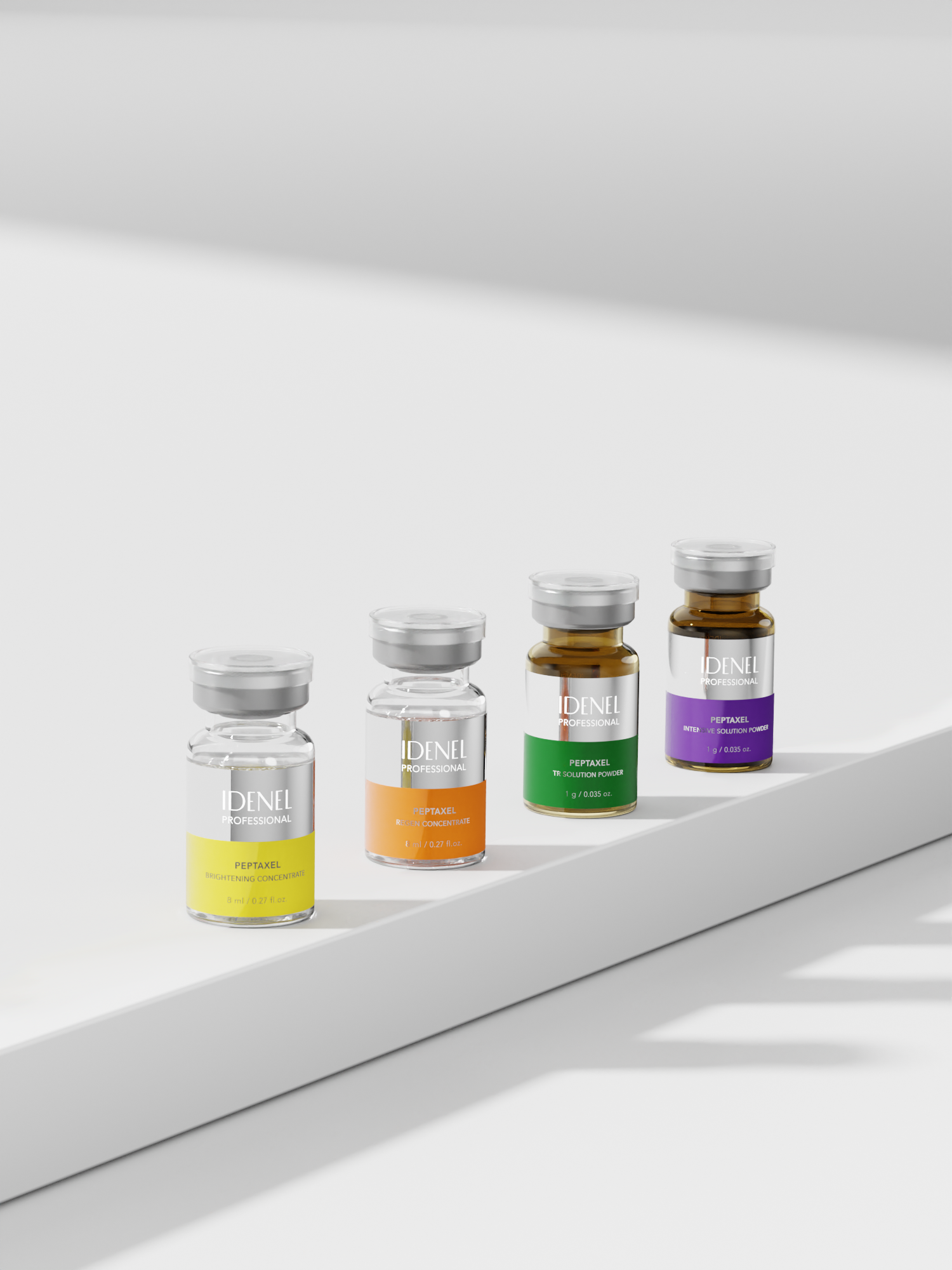
Glassifier Clarifying Protocol

One Day Herbal Peel
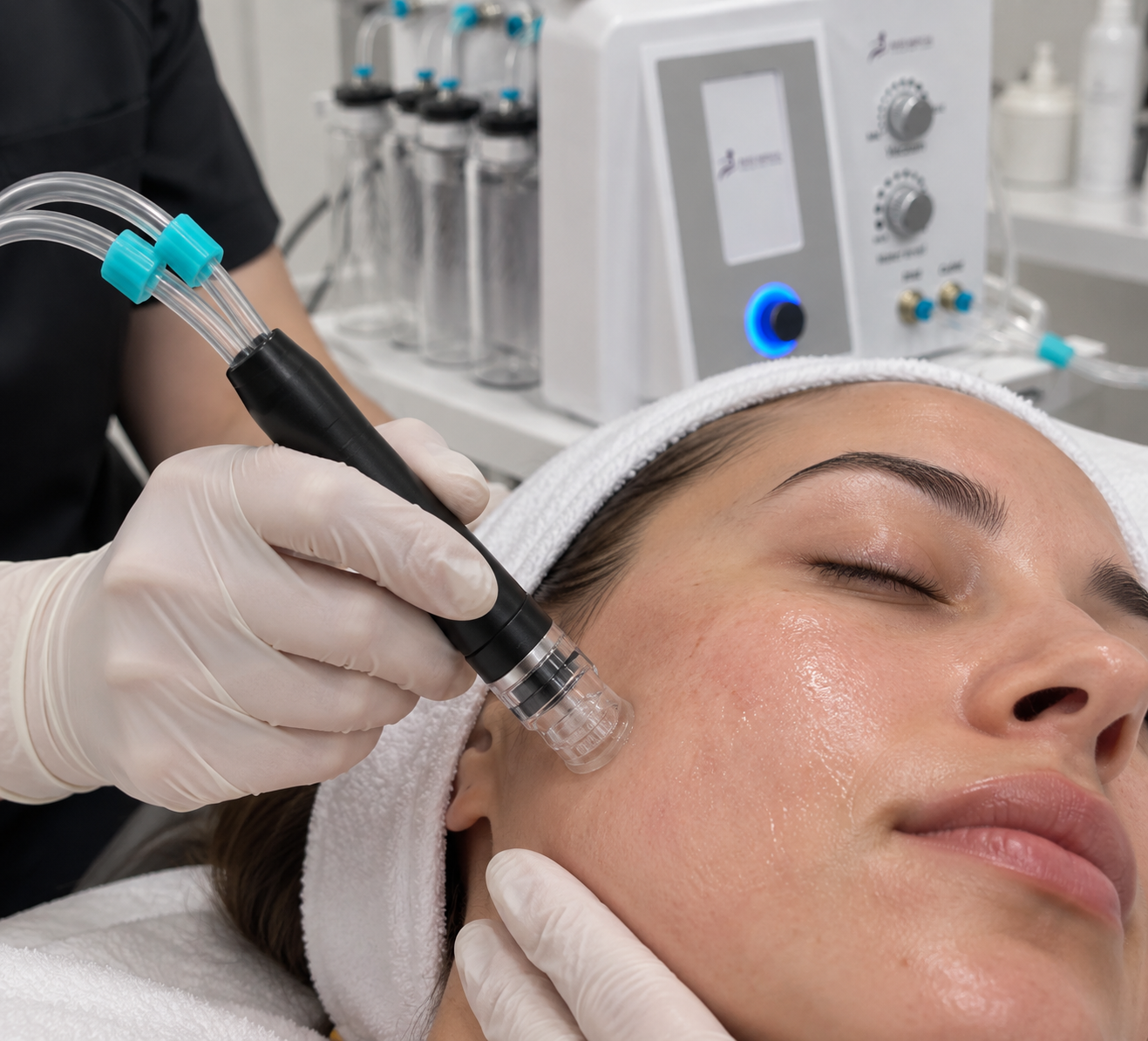
Hydro Infusion Therapy
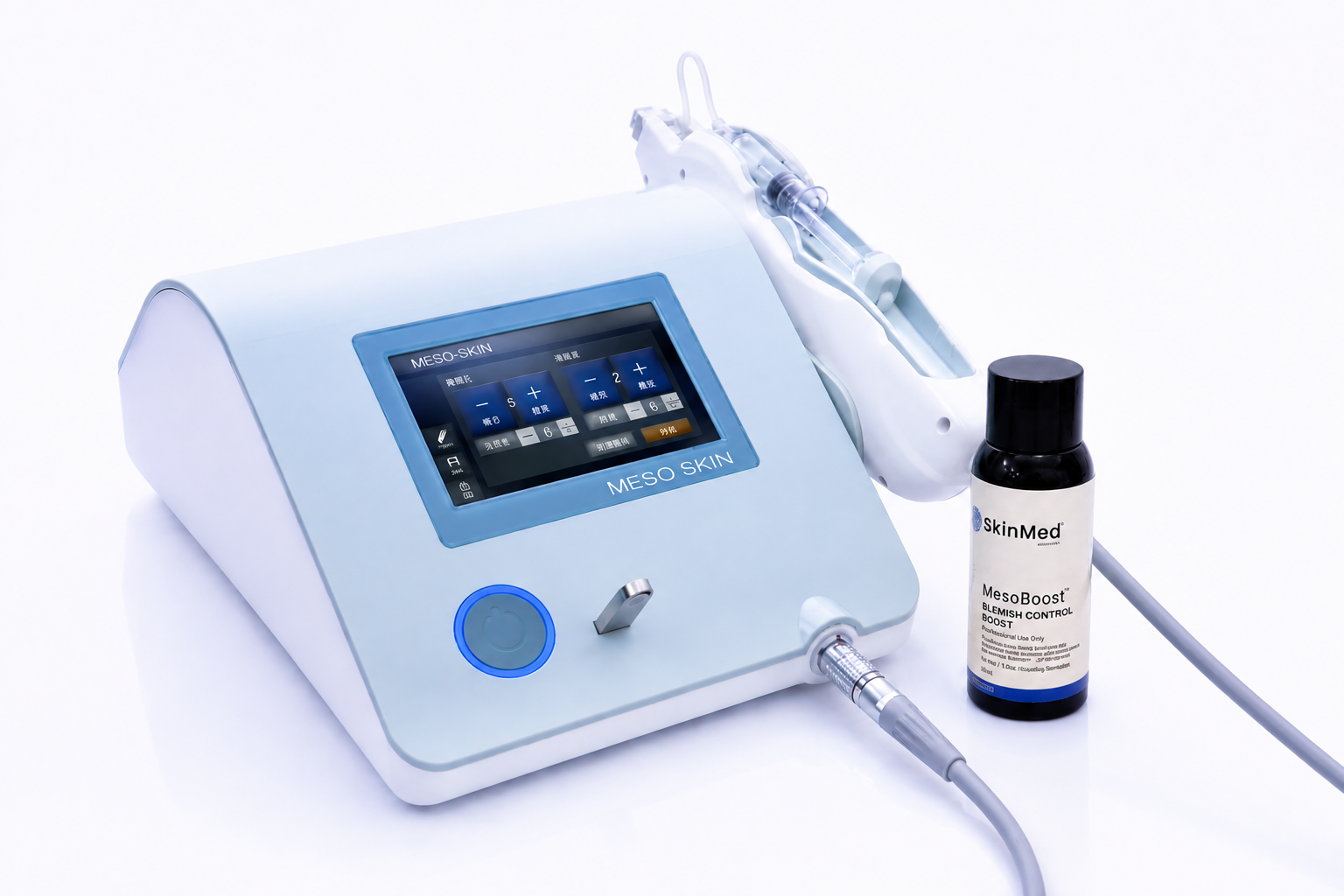
MesoBoost Clarifying Infusion

LED Light Therapy
Advanced CIT Skin Renewal
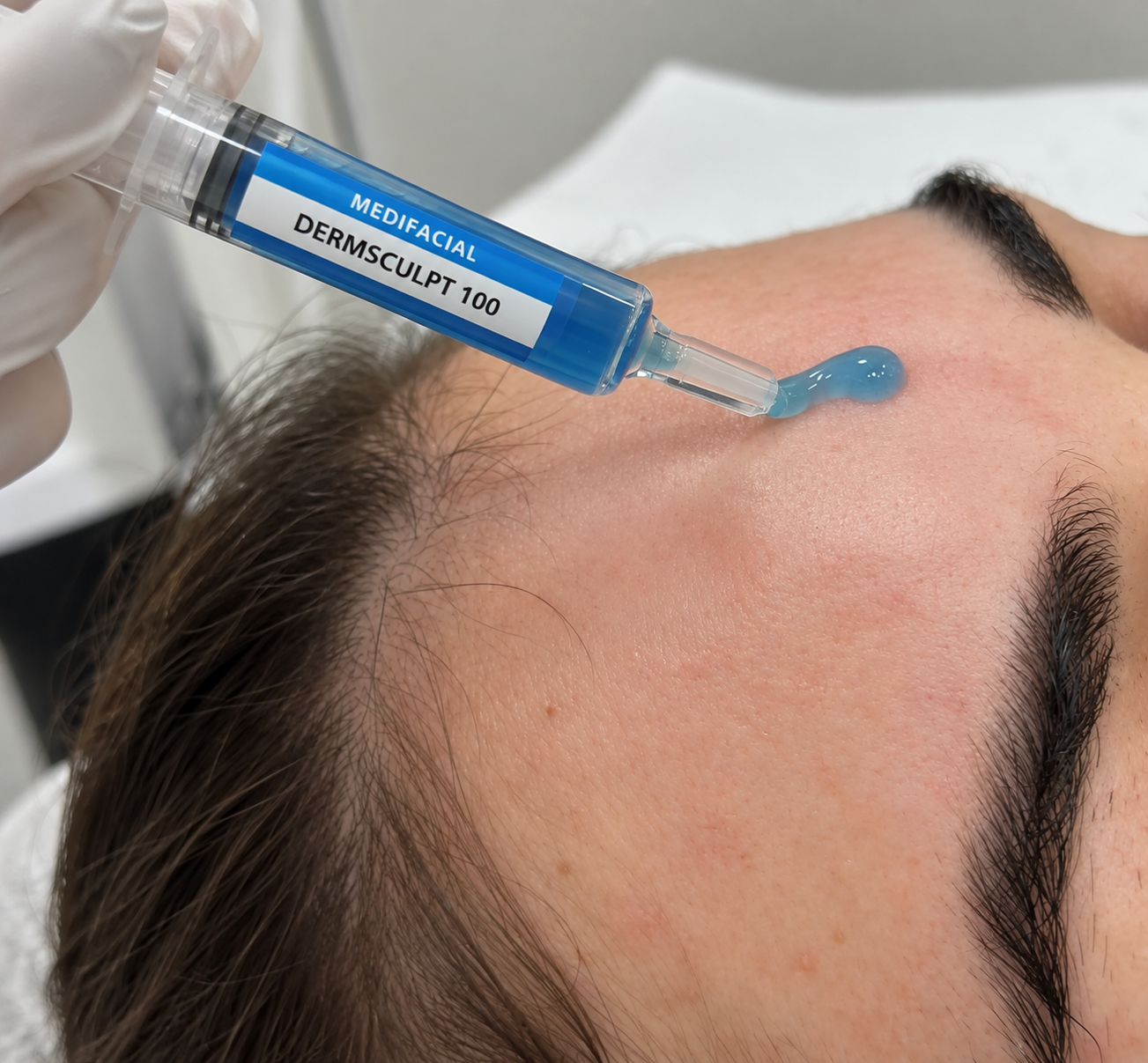
Bioneedling 100 GHK-Cu
-
Acne is a common inflammatory skin condition that occurs when hair follicles become blocked with excess oil (sebum), dead skin cells and bacteria. While acne is often associated with teenagers, it can affect people of all ages.
Acne isn't simply a surface problem it is influenced by many internal and external factors including hormones, genetics, inflammation, lifestyle and skincare habits.
-
Not all acne is the same, which is why treatment should always be personalised.
Blackheads (Open Comedones): Pores become clogged but remain open, causing the contents to oxidise and appear black.
Whiteheads (Closed Comedones): Blocked pores remain closed beneath the skin, creating small white or flesh-coloured bumps.
Papules: Small red, inflamed bumps without visible pus.
Pustules: Inflamed pimples containing white or yellow pus.
Nodules: Large, painful lumps that develop deep beneath the skin and often require professional treatment. They should not be squeezed, as they carry a higher risk of scarring.
Cysts: Severe inflamed lesions filled with fluid or pus that carry a higher risk of permanent scarring.
Hormonal Acne: Hormonal acne is triggered by fluctuations in hormones that increase oil production within the skin. It commonly appears along the jawline, chin and lower cheeks, particularly in adult women. Breakouts may worsen around the menstrual cycle, pregnancy, menopause or conditions such as PCOS. Hormonal acne often presents as deep, tender cysts or nodules and usually requires a personalised treatment approach that addresses both the skin and underlying contributing factors.
Fungal Acne (Malassezia Folliculitis): Despite its name, fungal acne is not true acne. It is caused by an overgrowth of yeast (Malassezia) within the hair follicles rather than clogged pores or acne-causing bacteria. It often appears as small, uniform, itchy bumps on the forehead, chest, back or shoulders and requires different treatment to traditional acne.
-
Acne is rarely caused by just one factor. In most cases, several internal and external factors work together to trigger breakouts.
Hormonal Changes: Fluctuations in hormones can increase oil production, making pores more likely to become clogged. This commonly occurs during puberty, menstrual cycles, pregnancy, menopause or conditions such as PCOS.
Excess Oil Production: When the skin produces more oil than it needs, excess sebum can mix with dead skin cells and block the pores, creating an ideal environment for acne to develop.
Congested Pores: Dead skin cells, oil and debris can build up inside the pores, leading to blackheads, whiteheads and eventually inflamed breakouts if left untreated.
Acne-Causing Bacteria: A naturally occurring skin bacteria called Cutibacterium acnes can multiply within blocked pores, triggering inflammation and causing pimples to become red, swollen and painful.
Inflammation: Inflammation is your body's immune response. It plays a major role in acne by causing redness, swelling, tenderness and slower healing, increasing the risk of post-acne marks and scarring.
Genetics: If one or both of your parents experienced acne, you may be more likely to develop it. Genetics can influence oil production, hormone sensitivity, inflammation and how your skin heals.
Stress: Stress doesn't directly cause acne, but it can increase stress hormones such as cortisol, which may stimulate oil production and worsen existing breakouts.
Poor Skin Barrier Function: A weakened skin barrier can leave the skin irritated, inflamed and more vulnerable to bacteria. Over-cleansing, harsh products and excessive exfoliation are common causes of barrier damage.
Incorrect Skincare Products: Using products that are too harsh, too heavy or unsuitable for your skin type can disrupt the skin barrier or contribute to clogged pores and irritation.
Diet: While diet isn't the sole cause of acne, some people may notice breakouts triggered by high-glycaemic foods, excess dairy or highly processed foods. Individual responses vary.
Certain Medications: Some medications, including corticosteroids, testosterone, lithium and certain hormonal medications, may contribute to acne in some individuals.
At Skin Symphony Clinic, we understand that acne is more than just what appears on the surface. During your consultation, we assess the underlying factors contributing to your skin so we can create a personalised treatment plan focused on long-term skin health not just temporary results.
-
No.
Although they can appear similar, congestion and acne are different skin concerns.
Skin Congestion: Skin congestion occurs when dead skin cells, oil and debris become trapped inside the pores. Congested skin usually presents as:
Small bumps
Rough texture
Enlarged pores
Blackheads
Whiteheads
Dull-looking skin
Congestion is not always inflamed.
Acne: Acne involves inflammation and may include:
Red pimples
Painful bumps
Pustules
Nodules
Cysts
Untreated congestion can eventually develop into acne if bacteria and inflammation become involved.
-
There is no single "best" acne treatment because not all acne is caused by the same underlying factors. While two people may both have breakouts, one may have a compromised skin barrier, another may have significant inflammation, while someone else may be dealing with hormonal influences or post-acne pigmentation.
At Skin Symphony Clinic, every acne journey begins with a Skin Analysis Consultation. Using advanced skin analysis and a detailed consultation, we assess the underlying contributors to your skin before recommending treatment.
Rather than treating acne alone, we treat the skin as a whole through our 4 Pillars of Skin Health.
Barrier: If your skin barrier is compromised, irritated or dehydrated, aggressive acne treatments can often make your skin worse. We begin by restoring barrier function, reducing sensitivity and rebuilding healthy skin before introducing more corrective treatments.
Inflammation: For active acne, redness, congestion and excess oil, we focus on calming inflammation, regulating oil production, reducing acne-causing bacteria and supporting healthy skin healing. .
Pigmentation: Once active breakouts are under control, we address the lingering marks they leave behind, including post-inflammatory hyperpigmentation (PIH) and uneven skin tone, using targeted brightening treatments and skin renewal protocols.
Collagen & Structure: If acne has resulted in enlarged pores, uneven texture or acne scarring, we focus on stimulating collagen production to strengthen the skin and improve its overall structure.
Every treatment plan is personalised because healthy skin isn't achieved with a one-size-fits-all approach. Our goal isn't simply to clear today's breakout it's to strengthen your skin, address the underlying causes and create long-term, sustainable results.
-
The best way to prevent acne scars is by treating active acne early.
Tips include:
Avoid picking or squeezing pimples.
Seek professional treatment early.
Reduce inflammation quickly.
Protect your skin barrier.
Wear sunscreen every day.
Follow a consistent skincare routine.
Complete your recommended treatment plan.
Once acne is under control, treatments such as skin needling, bio needling and collagen-stimulating therapies may help improve the appearance of existing scars.
-
You should consider professional treatment if:
Acne keeps returning.
Breakouts are painful or cystic.
Over-the-counter products aren't helping.
You're developing acne scars.
Your acne is affecting your confidence.
You're unsure what's causing your breakouts.
A professional consultation can identify the underlying contributors and help create a personalised treatment plan.
-
Diet alone does not directly cause acne, but for some people it may contribute to breakouts.
Foods that may influence acne in susceptible individuals include:
High glycaemic foods
Excess dairy (particularly skim milk)
Highly processed foods
Diet is just one piece of the puzzle. Hormones, genetics, inflammation and skin barrier health often play a much larger role.
-
There is no single permanent cure for acne, but it can be successfully managed.
With the right combination of professional treatments, personalised skincare and lifestyle support, many people achieve long-term control and healthier, clearer skin.
The goal is not just to clear today's breakout- but to reduce future breakouts while maintaining strong, healthy skin.