
Fine Lines
/ Wrinkles
Fine lines and changes in skin texture are often framed as something to fight against, but they're a natural part of how skin evolves over time, and what shows up on the surface reflects what's happening deeper within the skin. Collagen and elastin naturally decline with time, while sun exposure, hydration levels and lifestyle factors all influence how that change shows up and how quickly.
Fine lines aren't a flaw to erase, they're a sign of skin doing exactly what skin does, though many people want support to feel confident and comfortable in how their skin looks and feels as it changes.
Rather than chasing an artificial reversal, we focus on supporting your skin's natural structure, encouraging healthy collagen production and maintaining resilience, so your skin continues to look and feel like a healthier version of itself over time.

Rejuvenating Treatments Chosen By Us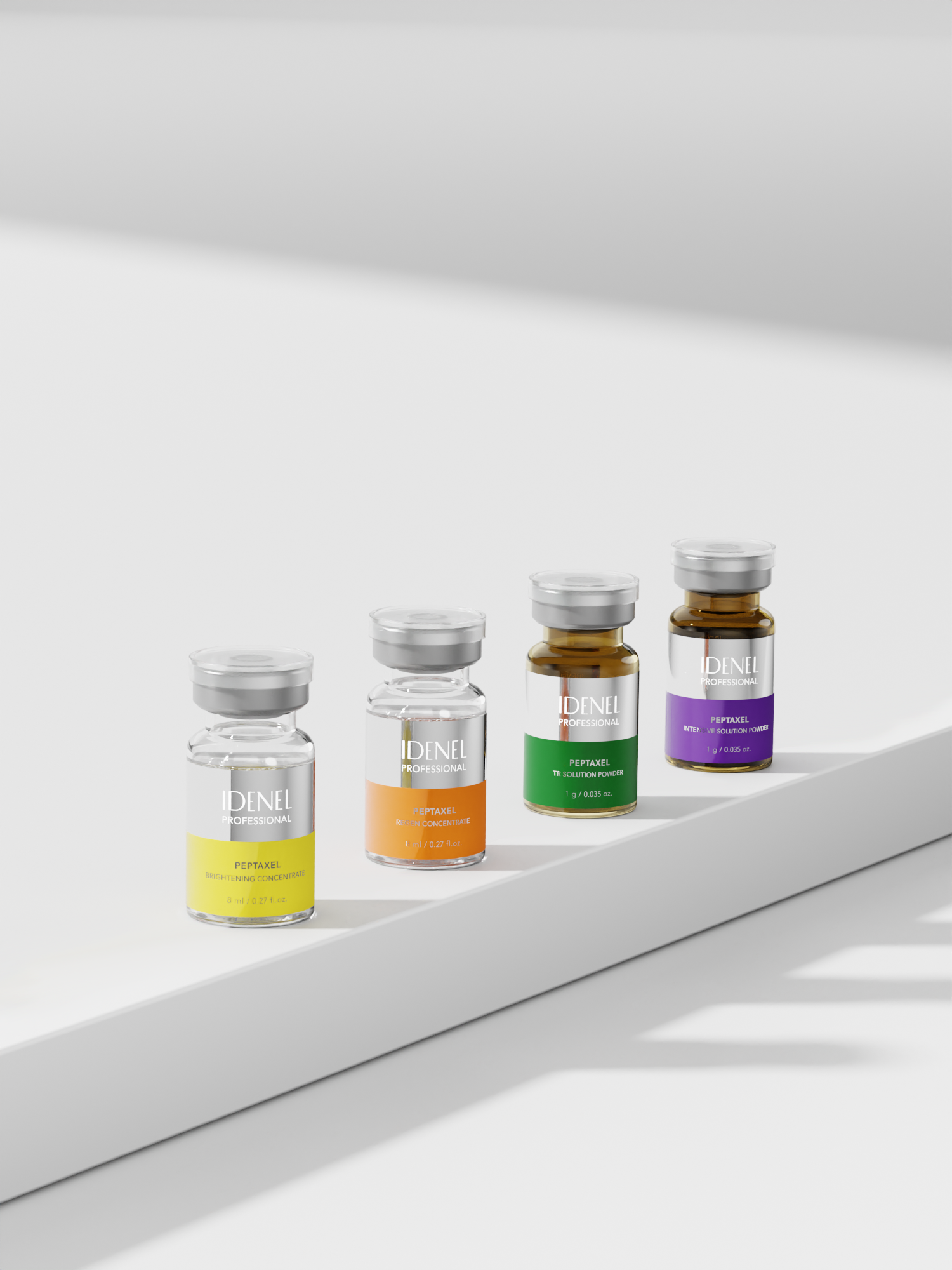
Glassifier Regenerative Protocol
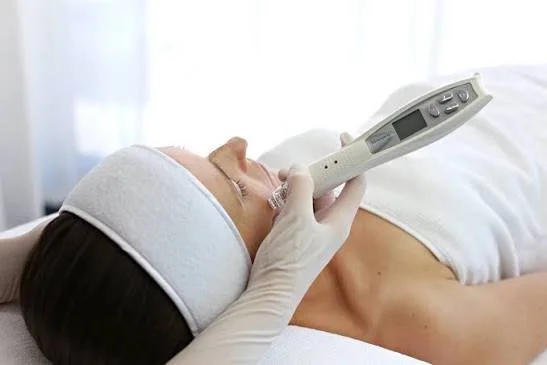
Advanced CIT Skin Renewal
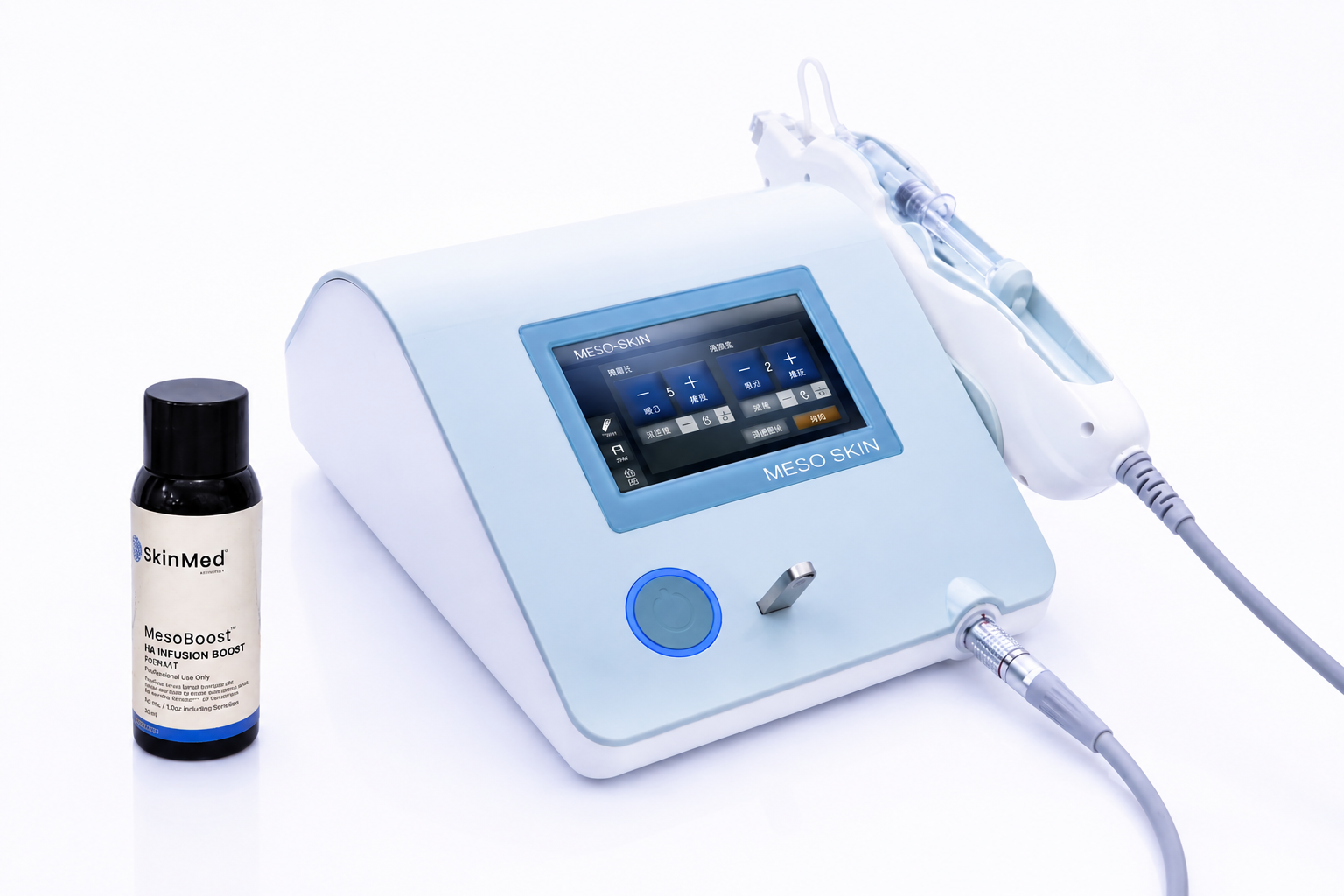
MesoBoost Hydration Infusion

OneDay Herbal Peel
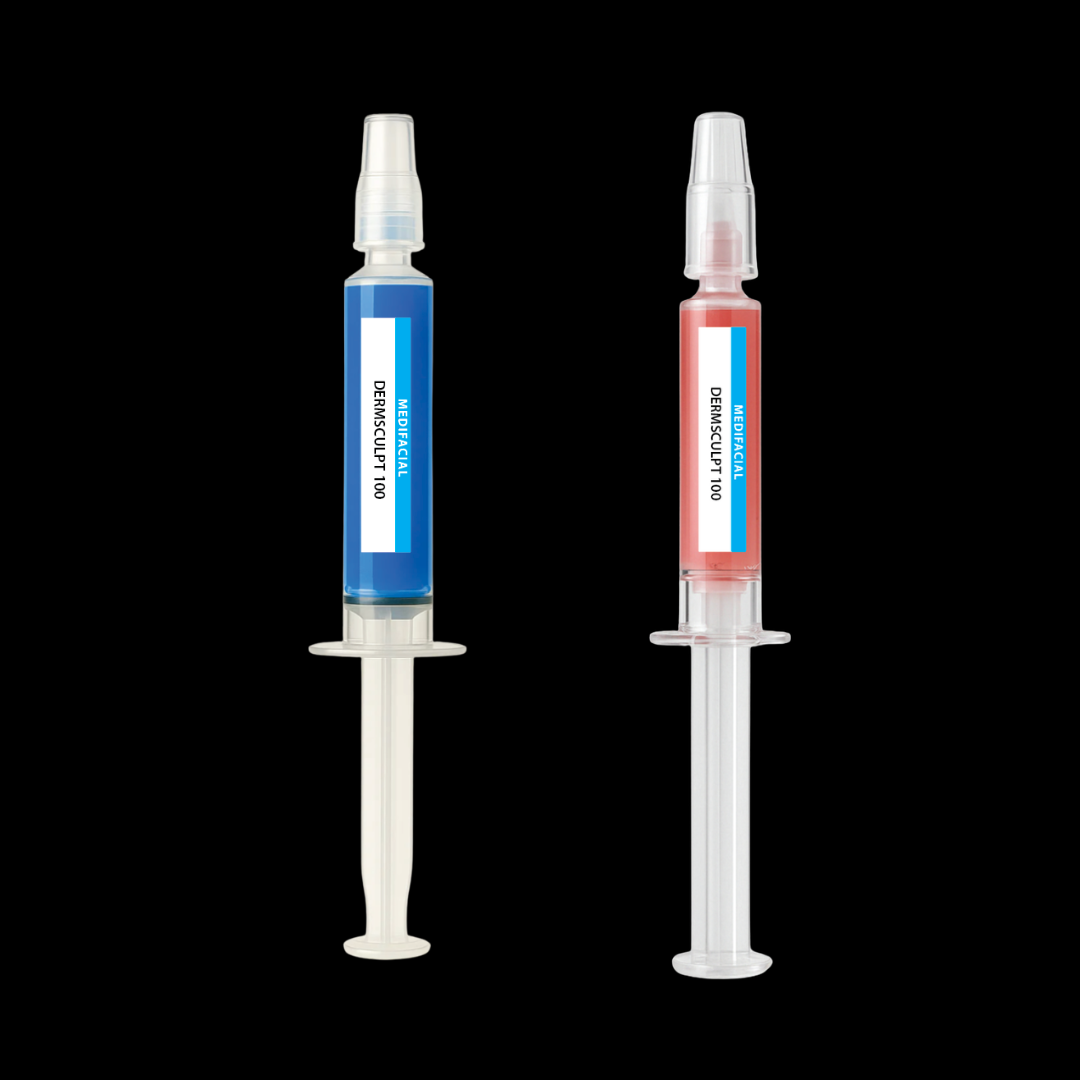
Bioneedling 100 PDRN & GHK-Cu
-
Fine lines and wrinkles are a natural part of the skin ageing process. As we age, our skin gradually produces less collagen, elastin, and hyaluronic acid, causing it to lose firmness, elasticity, and hydration.
Fine lines are the earliest signs of ageing and appear as small, shallow creases, often around the eyes, forehead, and mouth.
Wrinkles are deeper, more permanent folds that develop as collagen and elastin continue to decline over time.
While ageing is inevitable, factors such as sun exposure, smoking, pollution, dehydration, stress, and poor skincare habits can accelerate their development. Professional skin treatments, combined with a personalised home care routine, can help improve skin texture, stimulate collagen production, and minimise the appearance of fine lines and wrinkles.
-
Although the terms are often used interchangeably, fine lines and wrinkles are not the same.
Fine lines are small, shallow creases that are typically the earliest visible signs of skin ageing. They often develop around the eyes, forehead and mouth, and may only be noticeable during facial expressions.
Wrinkles are deeper, more permanent folds that develop as collagen, elastin and hyaluronic acid continue to decline over time. They are often visible even when the face is at rest and can become more pronounced due to ageing, sun exposure and environmental damage.
With the right skincare and professional treatments, the appearance of both fine lines and wrinkles can be improved while supporting healthier, more resilient skin.
-
Fine lines and wrinkles develop through a combination of natural ageing and external factors.
As we age, the skin produces less collagen, elastin and hyaluronic acid, making it thinner, less elastic and more prone to creasing. This natural process can be accelerated by excessive sun exposure, smoking, pollution, dehydration, stress, poor nutrition, inadequate skincare and repeated facial expressions.
While these changes are a normal part of ageing, maintaining healthy skin habits and seeking professional treatment early can help minimise their appearance and support long-term skin health.
-
Yes. Dehydrated skin can make fine lines and wrinkles appear more noticeable.
Unlike dry skin, which lacks oil, dehydrated skin lacks water. When the skin becomes dehydrated, it loses its plump, smooth appearance, causing fine lines to appear deeper and more visible. These are often referred to as dehydration lines and may improve once the skin is properly hydrated and the skin barrier is restored.
Permanent wrinkles caused by collagen and elastin loss require a different approach and often benefit from professional collagen-stimulating treatments alongside an effective home skincare routine.
-
The number of treatments required depends on your skin condition, age, lifestyle and treatment goals.
Some clients notice brighter, more hydrated skin after their first treatment, while improvements in fine lines, skin texture and firmness typically develop gradually as collagen production increases. Because collagen remodelling takes time, the best results are usually achieved through a personalised treatment plan rather than a single treatment.
Your clinician will recommend a treatment schedule based on your individual skin assessment and desired outcomes.
-
There is no specific age to begin treating fine lines and wrinkles, as everyone's skin ages differently.
Some people choose to start preventative treatments in their late twenties or thirties to support collagen production before deeper wrinkles develop, while others seek treatment later to improve existing signs of ageing.
Rather than focusing on age alone, treatment recommendations are based on your skin's condition, overall health and individual concerns.
-
While the natural ageing process cannot be stopped, many of the factors that contribute to premature skin ageing can be managed.
Daily use of a broad-spectrum SPF, maintaining skin hydration, using quality skincare, avoiding smoking, eating a balanced diet and scheduling professional skin treatments can all help protect collagen, improve skin health and slow the development of fine lines and wrinkles.
Prevention is often the most effective way to maintain healthy, youthful-looking skin over time.
-
Every person's skin is unique, which is why there is no one-size-fits-all approach to treating fine lines and wrinkles.
During your consultation, we assess factors such as your skin health, hydration levels, barrier function, collagen quality, lifestyle and treatment goals. This allows us to create a personalised treatment plan tailored to your individual needs.
Whether your concerns are related to dehydration, early fine lines, loss of firmness or more advanced wrinkles, we'll recommend the most suitable treatment pathway to help you achieve healthier, smoother and more youthful-looking skin.