
Oily / CongestedScarring is often seen as something that just needs to be resurfaced away, but the way skin scars, and how well it responds to treatment, depends on what's happening deeper within the skin. Collagen disruption, inflammation, skin type and how the original injury or breakout healed can all affect a scar's texture, depth and appearance over time.
Not all scarring is the same, raised, pitted and discoloured scars each form differently and respond to different approaches, which is why scarring rarely improves with a single generic treatment.
Rather than just targeting the surface, we focus on rebuilding skin structure, supporting healthy collagen production and improving overall skin texture to achieve smoother, healthier-looking skin over time.

Congestion Treatments Chosen By Us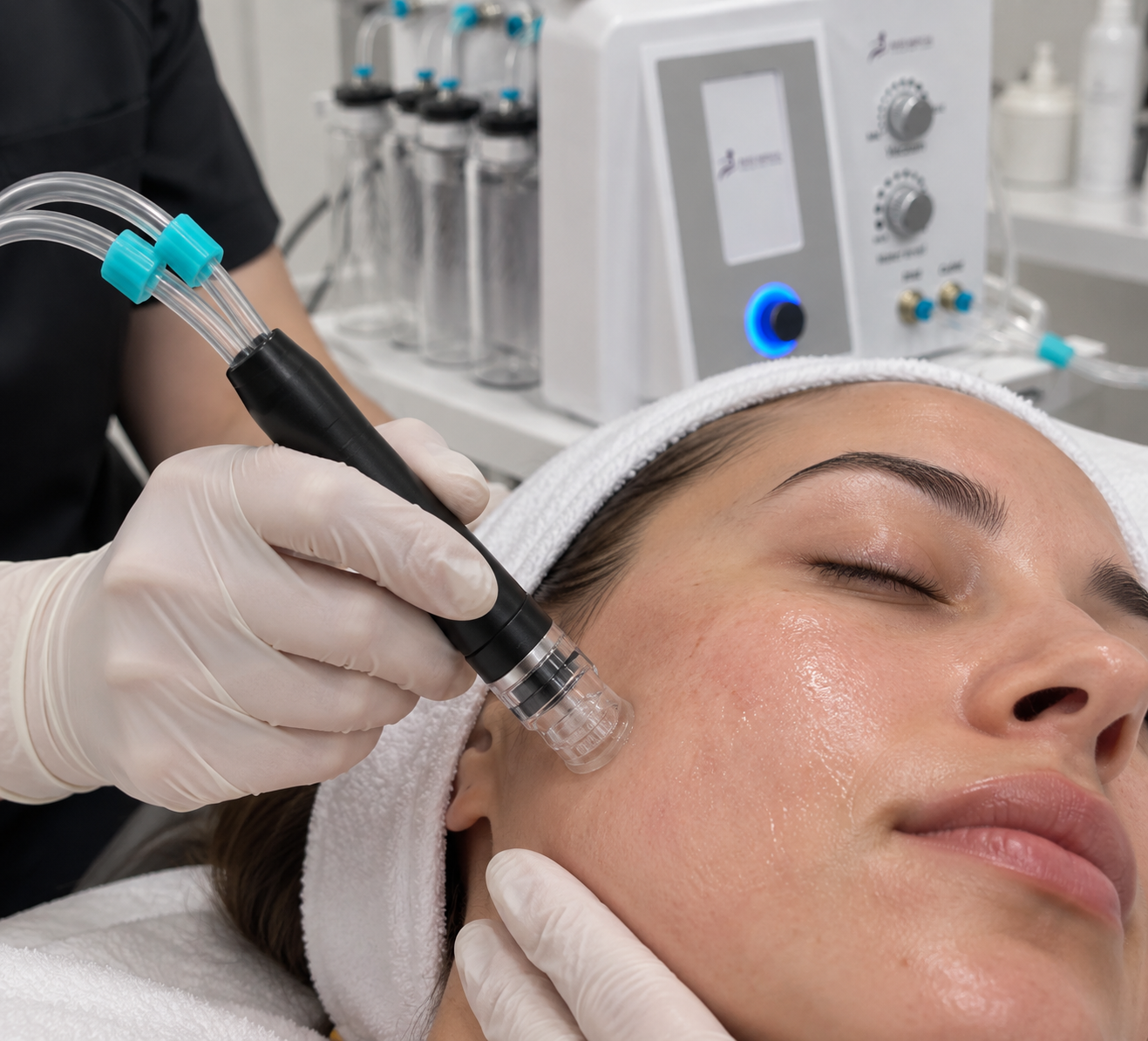
Hydro Infusion Therapy
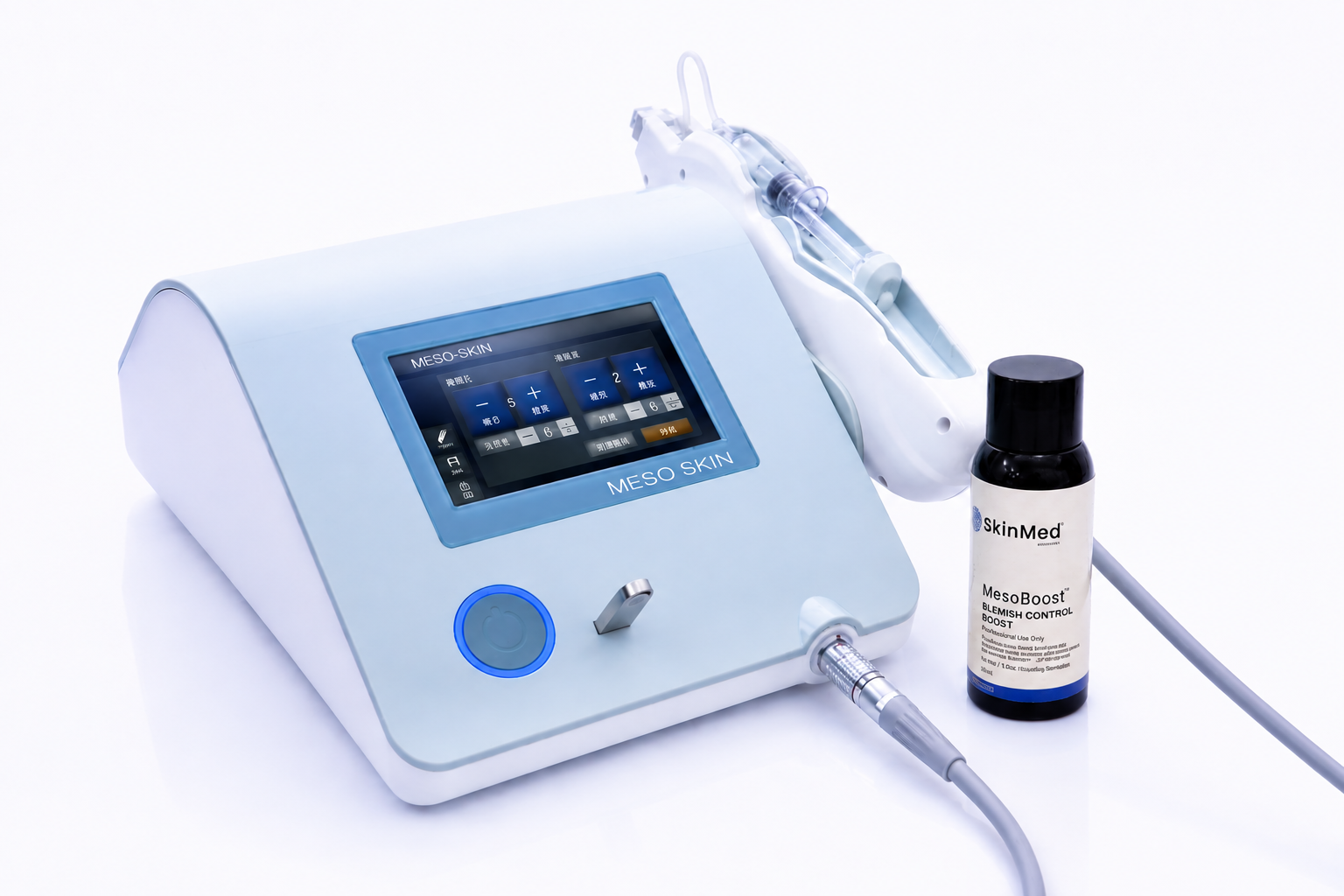
MesoBoost Clarifying Infusion

LED Light Therapy
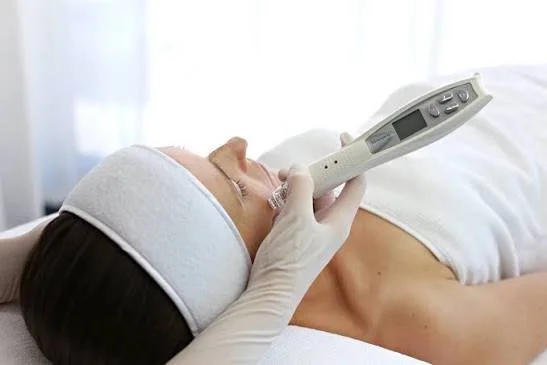
Advanced CIT Skin Renewal
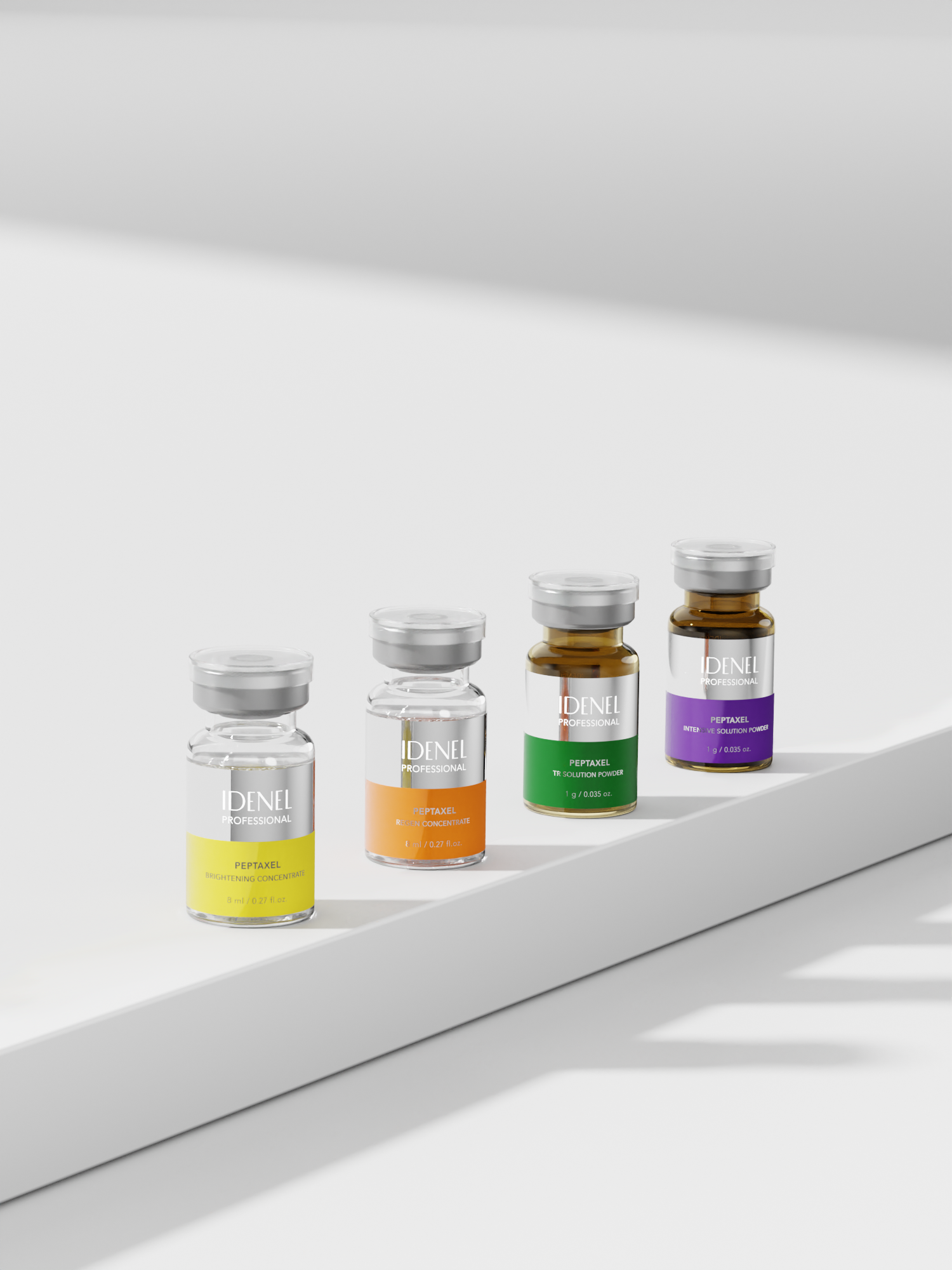
Glassifier Clarifying Protocol
-
Many people use these terms interchangeably, but they describe different skin concerns.
Oily skin: Produces excess sebum (oil) due to overactive sebaceous glands. This often results in a shiny complexion, enlarged pores and an increased tendency for breakouts.
Congested skin: Occurs when pores become blocked with a combination of excess oil, dead skin cells, sunscreen, makeup, environmental debris and other impurities. Congestion can affect all skin types- even dry skin- and often appears as blackheads, whiteheads, small bumps or rough skin texture.
It's common to have both oily and congested skin at the same time, but it's also possible to have one without the other.
-
Oily skin develops when the sebaceous glands produce more sebum than the skin needs.
Several factors can contribute to increased oil production, including:
Genetics
Hormonal changes
Puberty
Menstrual cycle
Pregnancy
Stress
Hot or humid weather
Certain medications
While sebum plays an important role in protecting and moisturising the skin, excessive oil production can contribute to enlarged pores, congestion and breakouts if not properly managed.
-
Clogged pores occur when excess oil mixes with dead skin cells, sweat, sunscreen, makeup and environmental debris inside the pore.
When this material cannot escape, it forms a blockage that may develop into:
Blackheads (open comedones)
Whiteheads (closed comedones)
Small flesh-coloured bumps
Inflamed pimples
Regular cleansing alone often isn't enough to remove deeper congestion, which is why professional treatments and appropriate home care can play an important role.
-
Yes. This is one of the most common skin concerns we see.
Oily skin refers to excess oil production, while dehydrated skin lacks water.
When the skin becomes dehydrated, it may compensate by producing even more oil, leaving the skin feeling both oily and tight at the same time. Signs of oily but dehydrated skin may include excess shine, tightness after cleansing, dullness, sensitivity and fine dehydration lines.
Restoring hydration and supporting the skin barrier can often help improve oil balance.
-
Pores themselves do not open and close, but they can appear larger for several reasons.
Common causes include:
Excess oil production
Loss of collagen and skin elasticity
Congestion
Ageing
Genetics
Sun damage
Keeping pores clear and maintaining healthy collagen levels can help minimise their appearance, although pore size is largely influenced by genetics.
-
The goal isn't to remove all oil- it's to create balance.
Healthy oily skin care generally includes:
Gentle cleansing twice daily
Daily SPF
Lightweight, non-comedogenic moisturisers
Regular but appropriate exfoliation
Barrier-supporting skincare
Avoiding harsh scrubs
Consistent home care
A personalised routine tailored to your skin type is often more effective than using multiple products that target oil alone.
-
Yes. While genetics and hormones are major contributors to oily skin, diet and lifestyle can also influence oil production, inflammation and skin congestion in some individuals.
Factors that may contribute include:
High-glycaemic foods (such as sugary foods and refined carbohydrates)
Dairy products in some individuals
Chronic stress
Poor sleep
Smoking
Environmental pollution
Inadequate cleansing after exercise
Touching your face frequently
It's important to remember that there isn't a single food that causes oily or congested skin, and triggers vary from person to person. Maintaining a balanced diet, staying hydrated, managing stress and following a consistent skincare routine can all help support healthier-looking skin.
-
No two people experience oily or congested skin in exactly the same way. While some people produce excess oil due to genetics or hormonal changes, others may be dealing with clogged pores, dehydration, impaired skin barrier function or a combination of concerns.
The most effective treatment depends on identifying the underlying cause of your skin concerns rather than treating the symptoms alone.
During your consultation, we assess:
Your skin type and oil production
The level of congestion within your pores
Whether blackheads, whiteheads or acne are present
Your skin barrier health and hydration levels
Pore size and overall skin texture
Sensitivity and inflammation
Your current skincare routine and lifestyle factors